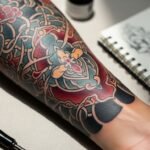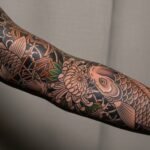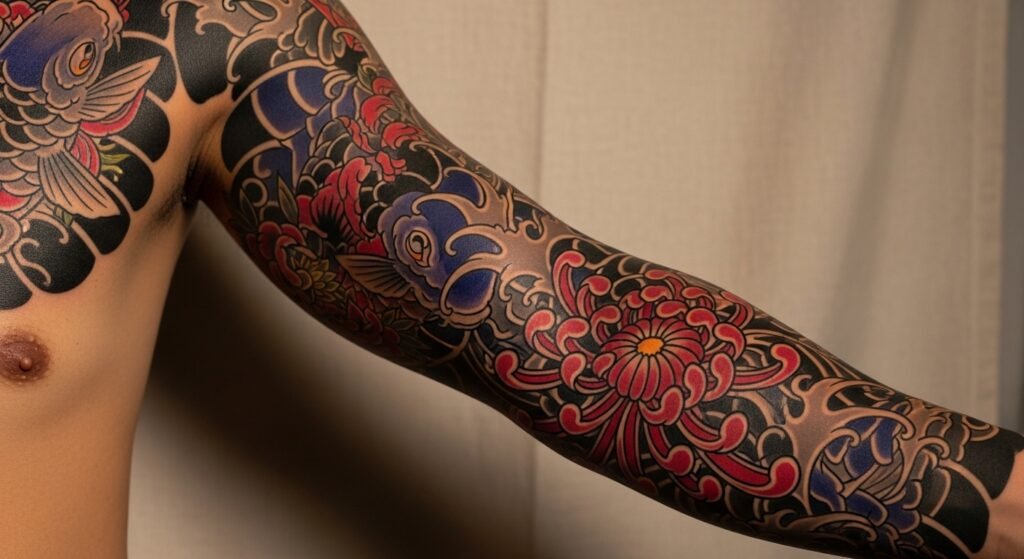
Sitting in a consultation, scrolling for inspo at midnight, or finally booking your first big session — you know that feeling when the right image clicks. If you’re drawn to bold imagery, storied symbols, and design that sits on the body like armor, a Japanese traditional tattoo could be your perfect match.
This guide collects 25 Japanese traditional tattoo ideas that are bold, intricate, and deeply rooted in rich cultural art. You’ll find designs for first-timers and seasoned collectors, placement advice, style breakdowns, and realistic healing tips. I sprinkle product recommendations that actually help during prep and recovery — for example, I often recommend a thin layer of Zensa numbing cream for sensitive rib pieces and switching to a fragrance-free lotion like Lubriderm unscented during peeling.
Whether you want a compact wrist icon or a full-back narrative, these ideas pair traditional Japanese motifs with modern tattoo techniques so your ink ages with pride.
- Hannya Mask — Classic Japanese Demon Face
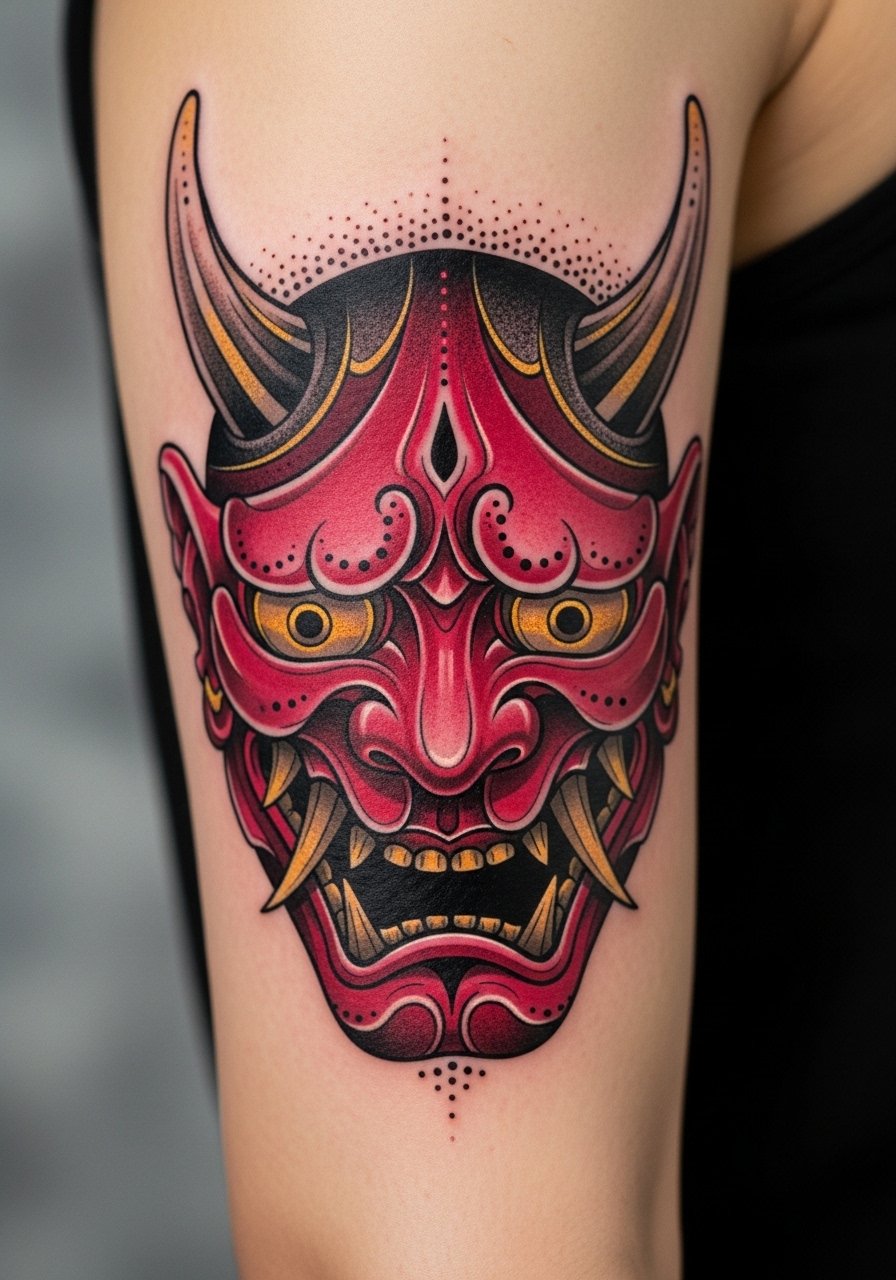
A Hannya mask reads as fierce and emotional: jealousy, sorrow, and transformation all in one face. The dramatic eyes and sharp teeth make for a design that commands attention and ages well when done with bold linework and solid fills. People drawn to theatrical, symbolic pieces or those wanting a powerful protective motif will love this.
Style & Design Details
- Tattoo style: neo-traditional Japanese / Irezumi-inspired
- Recommended size: palm-sized to half-sleeve
- Best placements: upper arm (wrap), chest near sternum, thigh (for larger scale)
- Color vs. blackwork: saturated color (crimson, gold, deep teal) with heavy black anchors
- Design elements: thick outline, smooth whip shading, solid color blocks, dotwork halos, kanji accents (optional)
- Longevity note: Thick outlines and saturated color resist blowout and fading longer
- Who it suits: collectors, lovers of bold symbolism, darker skin tones benefit from strong contrast
Finding the Right Artist
Look for portfolios that show traditional masks and confident bold lines, not just delicate fine-line work. Ask how they handle skin tone contrast and what needle groupings they use for heavy black vs. color packing. Red flag: an artist who hasn’t tattooed mask-style pieces or suggests single-needle for this scale. Experienced artists who specialize in Japanese motifs or neo-traditional Irezumi are best.
Aftercare & Healing Tips
Keep the initial wrap as your artist recommends — many prefer a Saniderm second-skin for 3–5 days. Once removed, wash gently twice a day with a fragrance-free soap like Dr. Bronner’s unscented castile and apply a thin layer of Hustle Butter Deluxe. Expect bold color to scab and then settle over 4–6 weeks; touch-ups are common for dense color blocks.
- Koi Swimming Upstream — Full-Back Narrative
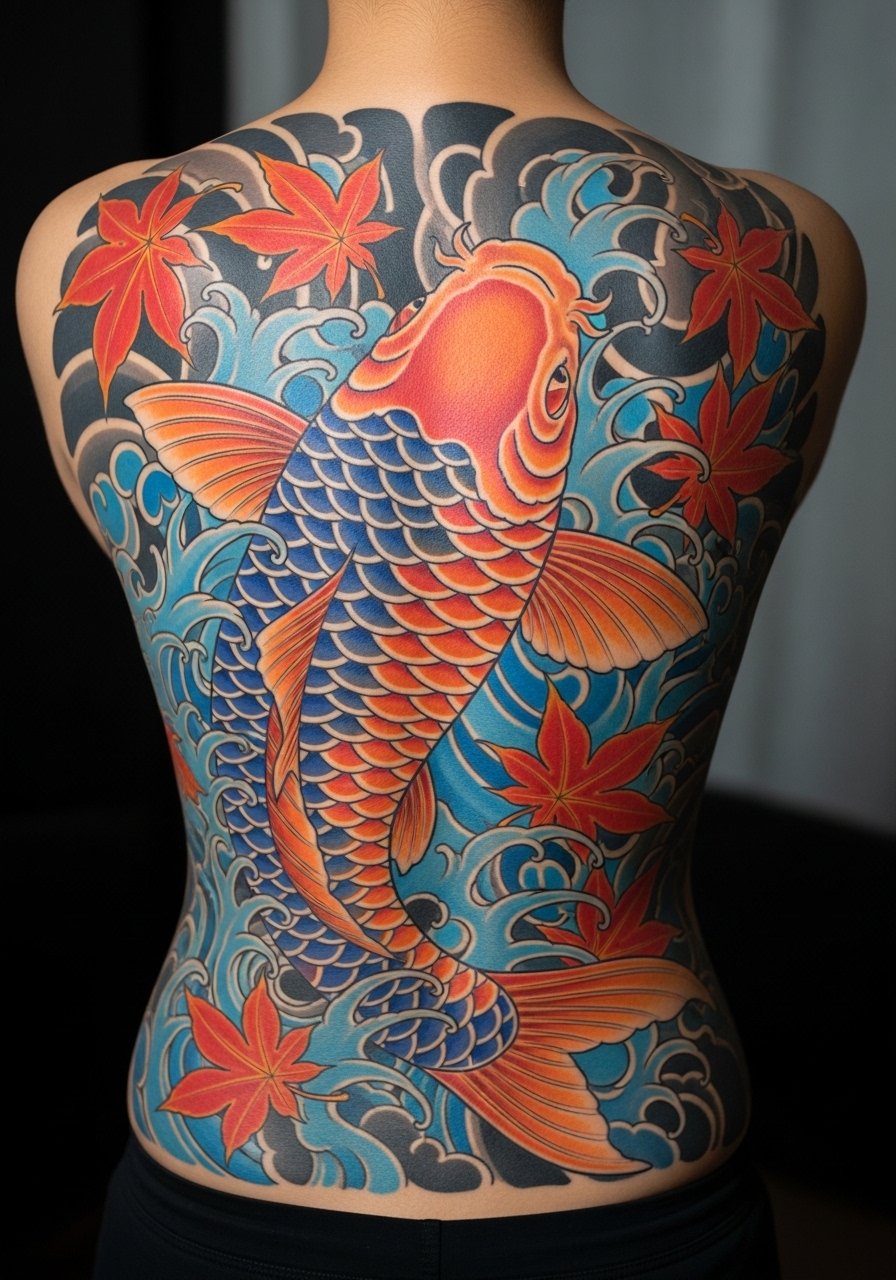
A koi swimming upstream tells a story of perseverance and ambition. When scaled to a full back, the fish becomes narrative, with water, waves, and maple leaves adding motion. This idea suits anyone wanting a statement piece that reads like wearable art.
Style & Design Details
- Tattoo style: traditional Japanese full-back Irezumi
- Recommended size: full back or large half-back panel
- Best placements: full back, side torso, full sleeve for a wrap
- Color vs. blackwork: bold color palette—orange, indigo, jade, black for contrast
- Design elements: scale texture, Japanese waves (nami), maple leaves (momiji), negative-space clouds, bold outlines
- Longevity note: large solid color areas need good saturation and occasional touch-ups
- Who it suits: experienced collectors, people with time to commit to multi-session pieces
Finding the Right Artist
Book an artist experienced with large-scale Japanese compositions and consistent color packing. Ask about session planning, how many sessions they expect, and their approach to stretching skin for consistent lines. Avoid artists who lack full-back portfolio pieces. Look on Instagram tags: #irezumi, #japanesetattoofullback.
Aftercare & Healing Tips
Large pieces sweat more during sessions; wear breathable clothes afterward. Use Saniderm for initial protection on smaller segments if your artist recommends it; for big coverage, many artists prefer standard wrap-to-lotion protocol. Switch to an unscented lotion like Lubriderm after a few days and protect with SPF once healed.
- Cherry Blossom Sleeve — Delicate Floral Flow
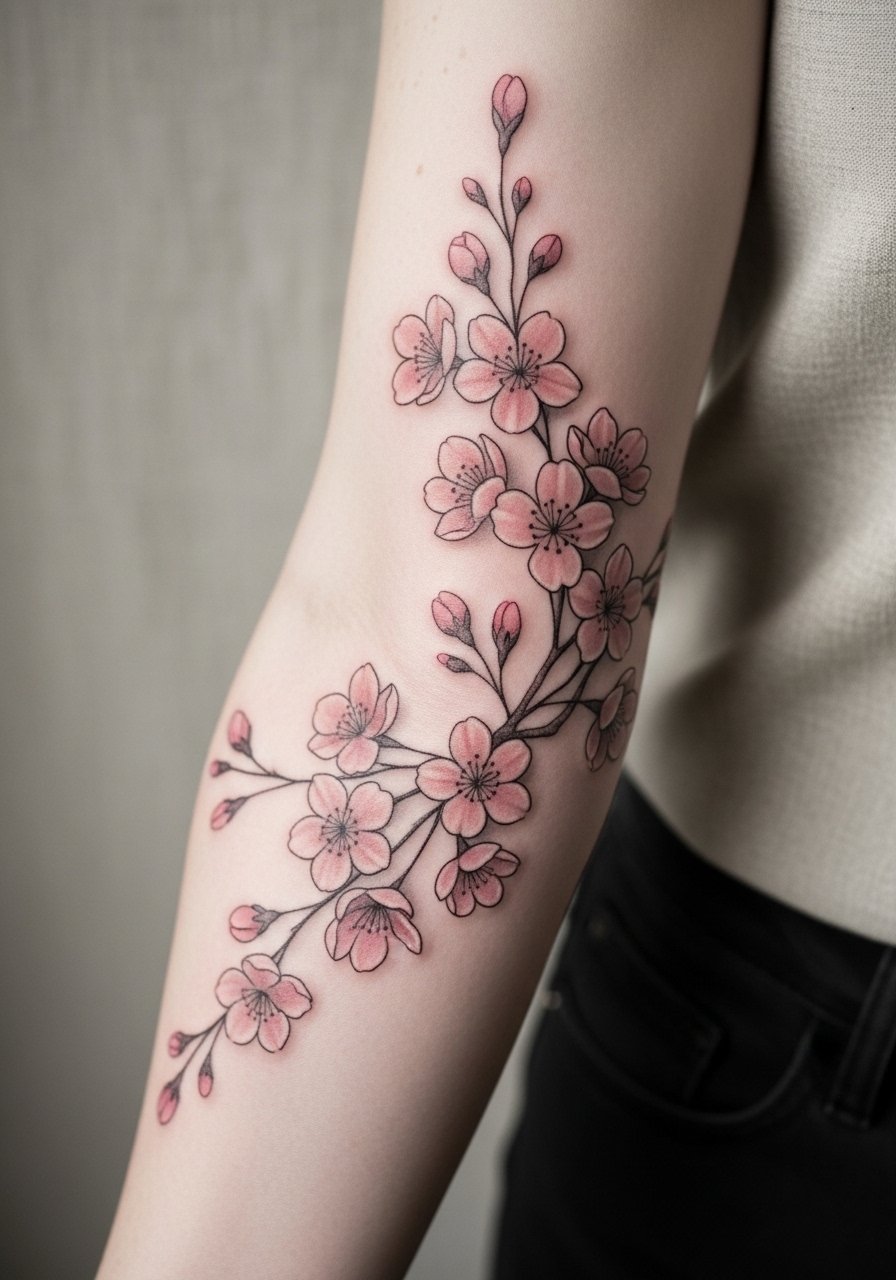
Sakura (cherry blossom) imagery balances softness with a reminder of impermanence — perfect for sleeve layouts that curve with the arm. Fine branches and floating petals create movement without overpowering the limb.
Style & Design Details
- Tattoo style: illustrative Japanese / fine-line floral
- Recommended size: quarter to full sleeve
- Best placements: forearm sleeve, outer arm, calf
- Color vs. blackwork: soft pinks and grey shading for petals, strong black for branches
- Design elements: single-needle blossoms, negative-space petals, micro-dot shading, flowing branch structure, scattered petals
- Longevity note: fine-line petals can fade faster; deeper placement and touch-ups help
- Who it suits: minimalists who still want color, first-time sleeve seekers
Finding the Right Artist
Search for fine-line artists who also do floral and Japanese motifs. Ask to see healed work—petal color retention varies. Red flag: artist who only posts new work without healed photos. Consider an artist comfortable adjusting petal scale for skin type.
Aftercare & Healing Tips
This style benefits from careful moisturization to keep linework crisp. Use fragrance-free soap and a thin layer of After Inked Tattoo Moisturizer while peeling. After fully healed, protect with a tattoo sunscreen stick SPF 50 when exposed to sun.
- Dragon Coil Around the Arm — Mythic Motion
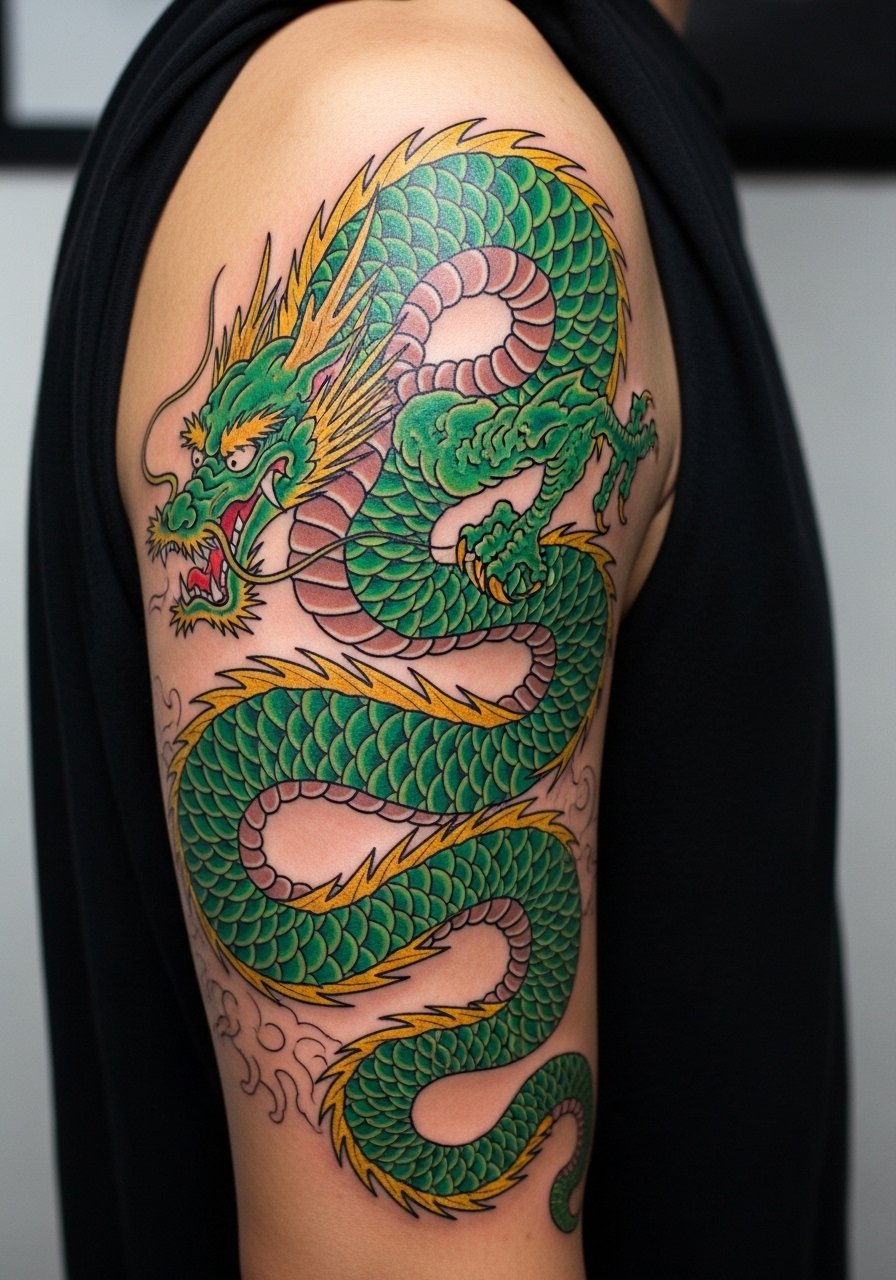
A dragon wrapped around an arm reads like movement frozen in ink. The sinuous body allows for dynamic placement and scale changes. This idea feels both traditional and cinematic.
Style & Design Details
- Tattoo style: Irezumi-inspired with neo-traditional shading
- Recommended size: half-sleeve to three-quarter sleeve
- Best placements: upper arm wrap, thigh, calf
- Color vs. blackwork: deep greens, gold highlights, heavy black outlines
- Design elements: scale gradient, flame-like whiskers, cloud motifs, heavy black shading, kanoko dot patterns
- Longevity note: thick outlines + scale detail maintain readability over years
- Who it suits: bold aesthetic lovers, traditional motif collectors
Finding the Right Artist
Book an artist who has experience with dynamic animal anatomy and flowing compositions. Ask how they plan negative space to avoid overcrowding. Avoid artists who suggest single-session completion; dragons often need staged work.
Aftercare & Healing Tips
For wrap placements, sleep on a clean cotton top to avoid sticking. Keep the area moisturized with Hustle Butter Deluxe and avoid direct sun for at least 6 weeks. Expect some color settling; plan a touch-up 3–6 months after completion.
- Komainu (Guardian Lion-Dog) on Chest
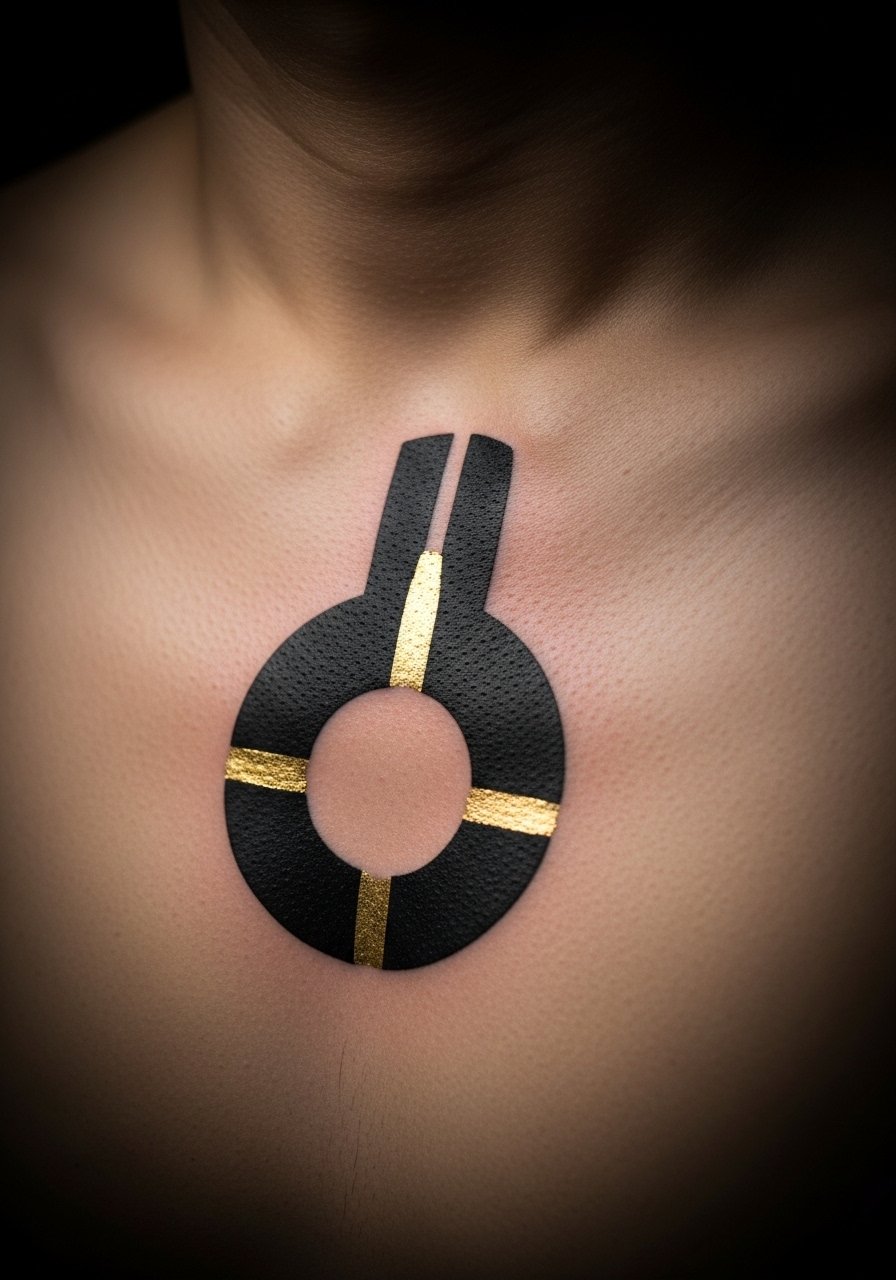
Komainu are guardian statues found at shrines. Tattooed over the chest they become protective centerpieces. The symmetrical nature fits sternum placements well.
Style & Design Details
- Tattoo style: traditional Japanese / blackwork with color accents
- Recommended size: medium chest panel
- Best placements: chest center, upper sternum, sternocleidomastoid for smaller versions
- Color vs. blackwork: strong black forms with gold/vermillion highlights
- Design elements: heavy silhouette, swirling mane textures, lotus base, minimal negative space
- Longevity note: heavy black maintains shape; chest movement can slightly distort fine detail
- Who it suits: people wanting symbolic protection, chest wearers
Finding the Right Artist
Choose artists who show chest panels and understand how movement affects symmetry. Ask about revisions for nipple-adjacent placements and their experience with sternum pieces. Avoid novices unfamiliar with chest anatomy.
Aftercare & Healing Tips
Chest placements can weep more initially; use gentle washes and keep clothing loose. A roll of Saniderm is handy if your artist suggests it for discrete areas. Apply unscented lotion after initial healing.
- Waves and Wind Bars — Background Elements Only
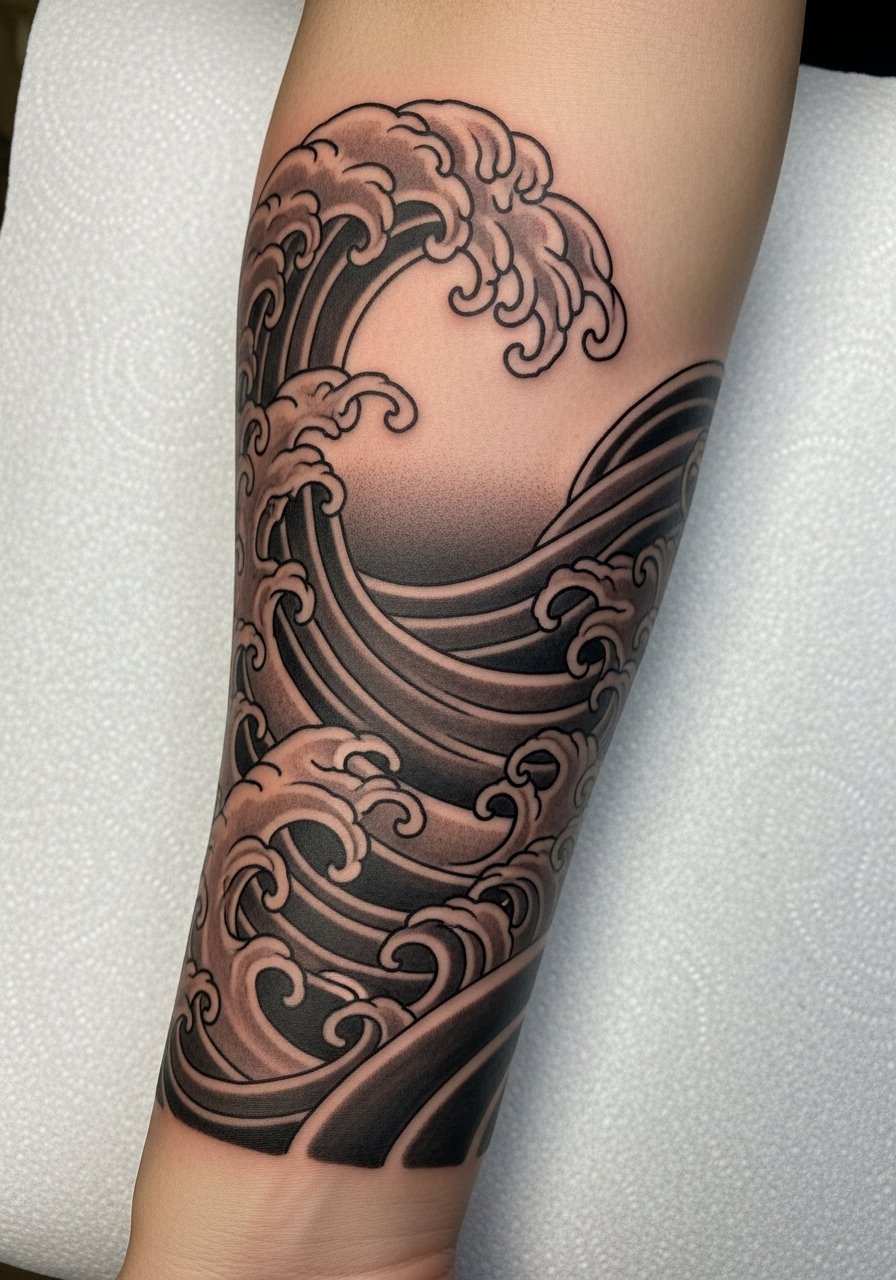
Sometimes the background carries the mood. Traditional nami waves and wind bars (kaze) can be a standalone piece or the backbone of a larger narrative. They're great for negative-space work that ages cleanly.
Style & Design Details
- Tattoo style: blackwork Japanese background
- Recommended size: small panels to sleeve backgrounds
- Best placements: forearm wrap, shoulder blade, behind the ear (small)
- Color vs. blackwork: black and grey only
- Design elements: repeating wave patterns, parallel wind bars, negative space islands, stipple shading
- Longevity note: bold black background holds up well against fading
- Who it suits: those wanting supportive motifs or subtle Japanese accents
Finding the Right Artist
Pick artists who show crisp line and consistent flow in backgrounds. Ask how they prevent blowout in repetitive curved lines. An apprentice may do backgrounds under supervision, but confirm healed examples.
Aftercare & Healing Tips
Backgrounds can scab uniformly; keep moisturized and avoid picking. Use Dr. Bronner’s unscented for washing and a thin layer of fragrance-free lotion thereafter.
- Peony and Chrysanthemum Chest Pairing
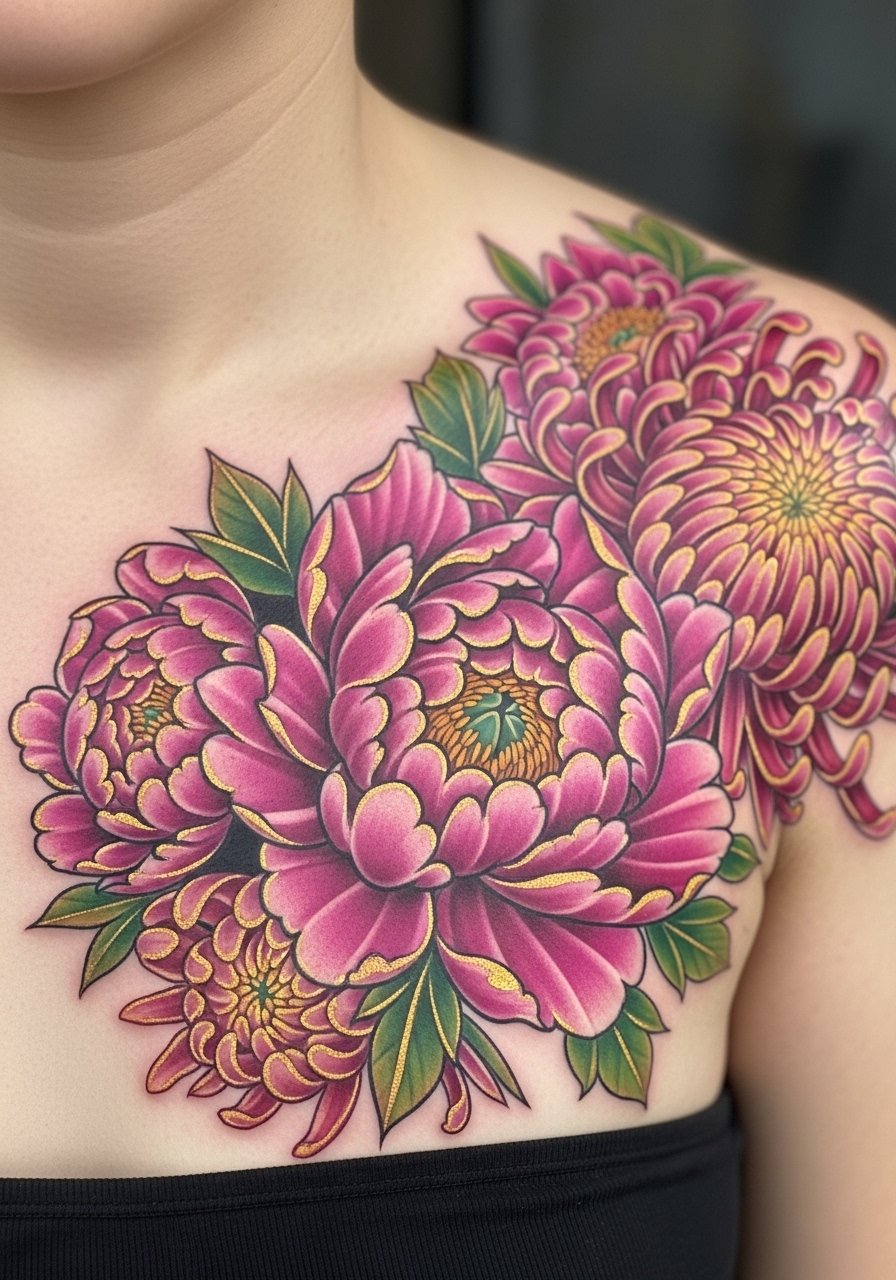
Peonies and chrysanthemums are classic floral partners in Japanese art. Together they symbolize bravery and nobility, making them meaningful chest or shoulder pieces.
Style & Design Details
- Tattoo style: illustrative Japanese floral
- Recommended size: medium chest/shoulder panel
- Best placements: shoulder to chest transition, clavicle framing, upper back
- Color vs. blackwork: rich color with black outlines for petals
- Design elements: layered petals, subtle stippling, negative-space highlights, leaf serrations, thin stemwork
- Longevity note: petal edges can blur slightly over time; bold outlines help
- Who it suits: floral lovers, those after symbolic florals
Finding the Right Artist
Look for botanical knowledge applied to tattooing—artists who show layered color and healed petals. Ask about pigment brands they prefer for pinks, since some reds shift faster.
Aftercare & Healing Tips
Protect new color from sun; once healed, use a tattoo SPF stick. For washing, use a gentle soap and apply Hustle Butter Deluxe during the peeling phase.
- Sleeve of Samurai Armor Plates
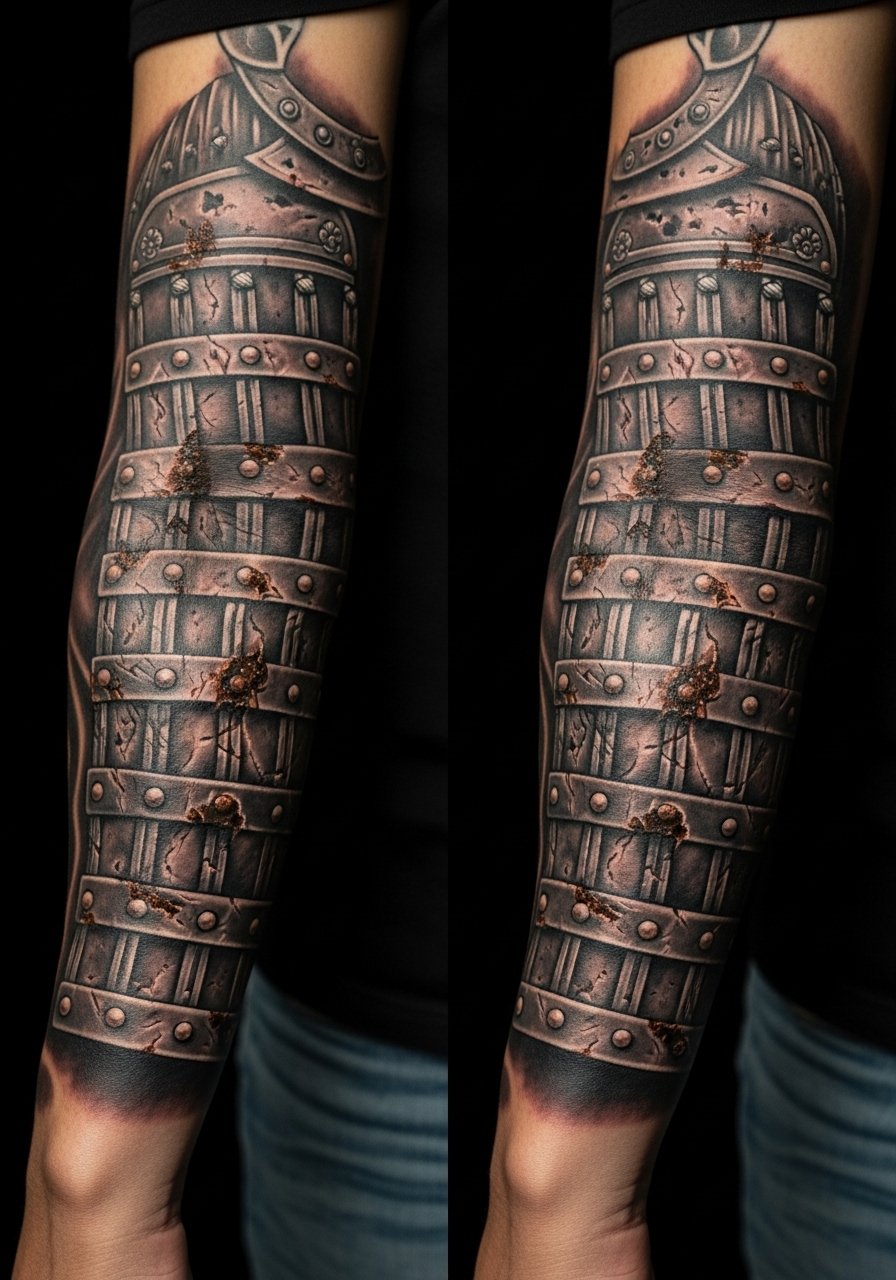
Armor plate designs curve naturally around limbs and read as protective gear. A samurai armor sleeve can incorporate lacing, family crests, and patinaed metal shading.
Style & Design Details
- Tattoo style: blackwork with illustrative metallic shading
- Recommended size: full or half sleeve
- Best placements: full arm sleeve, shin for matching leg piece
- Color vs. blackwork: mostly black & grey, small color accents for crests
- Design elements: plate overlap, rivets, rope lacing, family mon (kamon), rust patina shading
- Longevity note: strong black plate lines reduce blur; small details may need touch-ups
- Who it suits: fans of historical themes, textured blackwork collectors
Finding the Right Artist
Find someone who can render hard edges and metallic textures. Ask to see healed black-and-grey armor or mechanical pieces to ensure crispness and contrast.
Aftercare & Healing Tips
Armor pieces are dense; moisturizing with Lubriderm unscented after the wrap keeps shading from drying into heavy scabs.
- Small Kanji with Red Seal Accent — Minimal Narrative
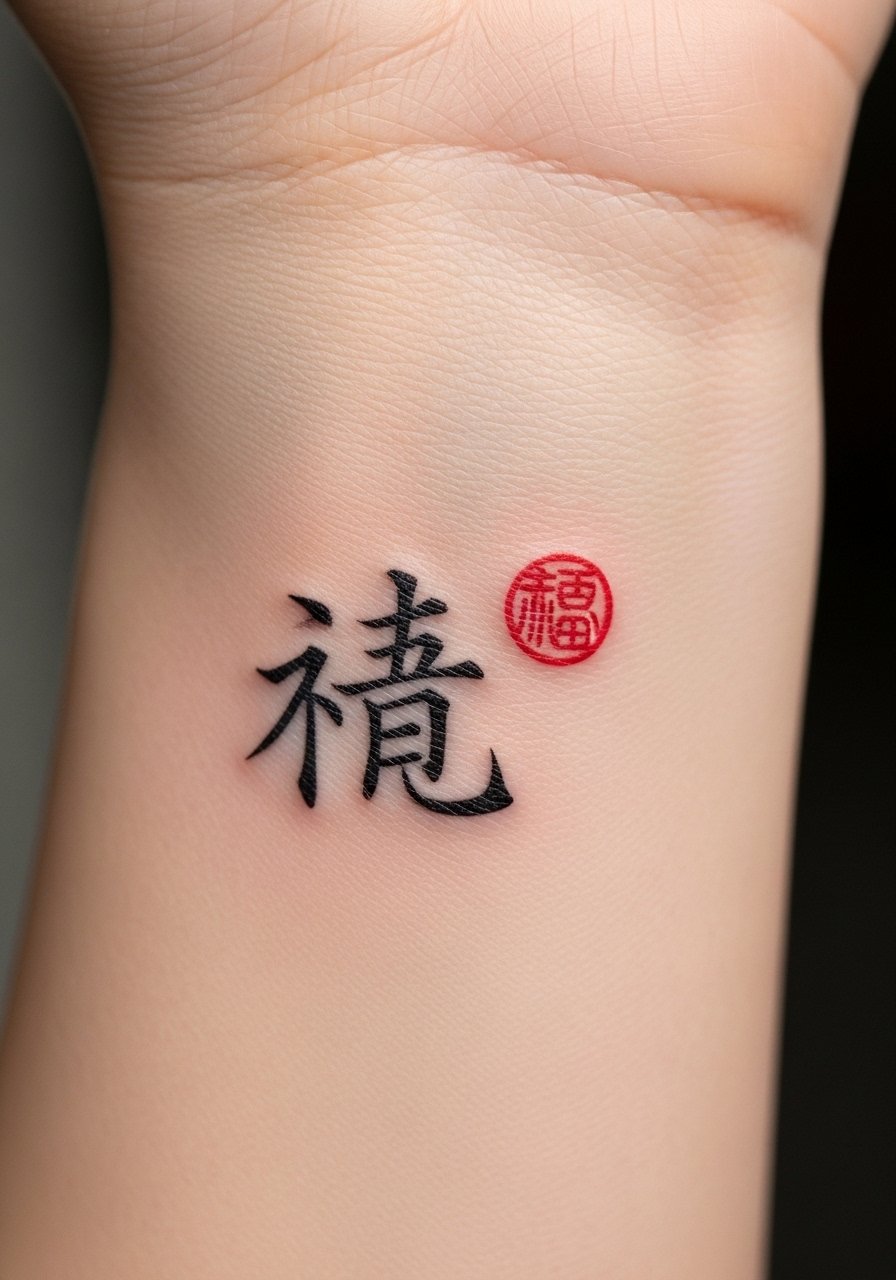
If you prefer subtlety, a single kanji word with a small red seal is quietly expressive. It reads like a stamp of identity or intention and works for wrap-around wrists or behind-the-ear spots.
Style & Design Details
- Tattoo style: fine-line micro Japanese
- Recommended size: 1–2 inches
- Best placements: inner wrist, behind ear, side of finger, nape
- Color vs. blackwork: black kanji with small vermillion seal
- Design elements: single-needle strokes, crisp linear kanji, circular hanko stamp, minimal negative space
- Longevity note: micro black lines need touch-ups more often; keep away from high-motion spots when possible
- Who it suits: minimalists, travelers, language lovers
Finding the Right Artist
Only book artists who specialize in micro-script and can show healed small-character work. Ask for the kanji’s exact meaning and suggested calligraphy style.
Aftercare & Healing Tips
Small placements heal quickly; wash gently and apply a thin layer of After Inked. Protect from rubbing (watches, collars) during the first two weeks.
- Geisha Portrait with Obi Ribbon
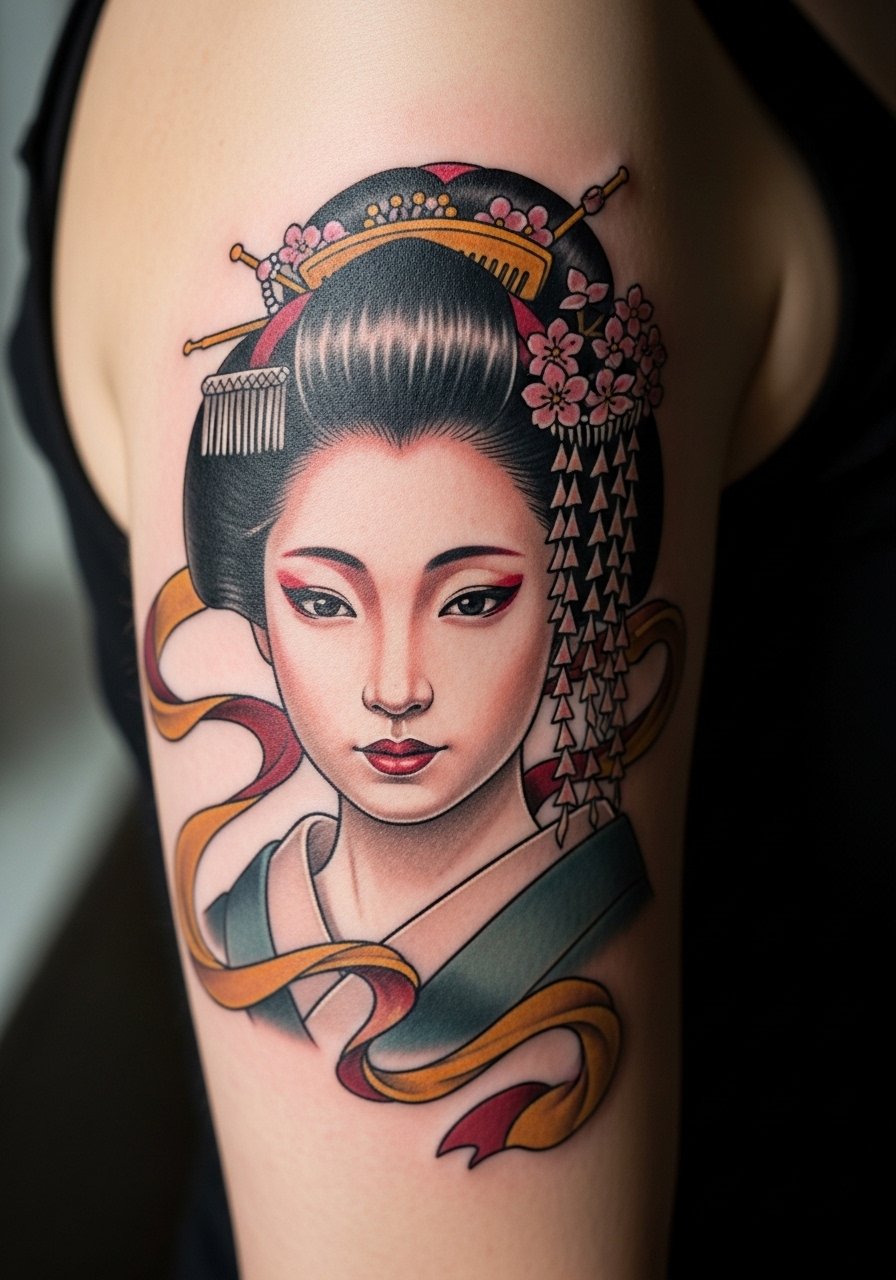
Geisha portraits are a classic Irezumi subject, balancing delicate features with ornate clothing. The obi ribbon gives room for flowing composition and movement.
Style & Design Details
- Tattoo style: illustrative portrait with Japanese costume detail
- Recommended size: medium to large panel
- Best placements: upper arm, thigh, calf
- Color vs. blackwork: muted color palette—saffron, indigo, soft skin tones with black outlines
- Design elements: facial line work, hair ornaments, patterned kimono, obi flow, subtle shading
- Longevity note: facial detail needs depth to avoid blurring; heavier lines around key features help
- Who it suits: portrait lovers, narrative collectors
Finding the Right Artist
Portraits demand experience. Ask to see portraits in Japanese attire and healed examples. Ensure the artist will supply a stencil and allow revisions for face proportions.
Aftercare & Healing Tips
Portraits benefit from avoiding friction during healing. Use fragrance-free soap and a thin layer of Hustle Butter Deluxe to maintain color saturation.
- Oni Skull with Peony Halo
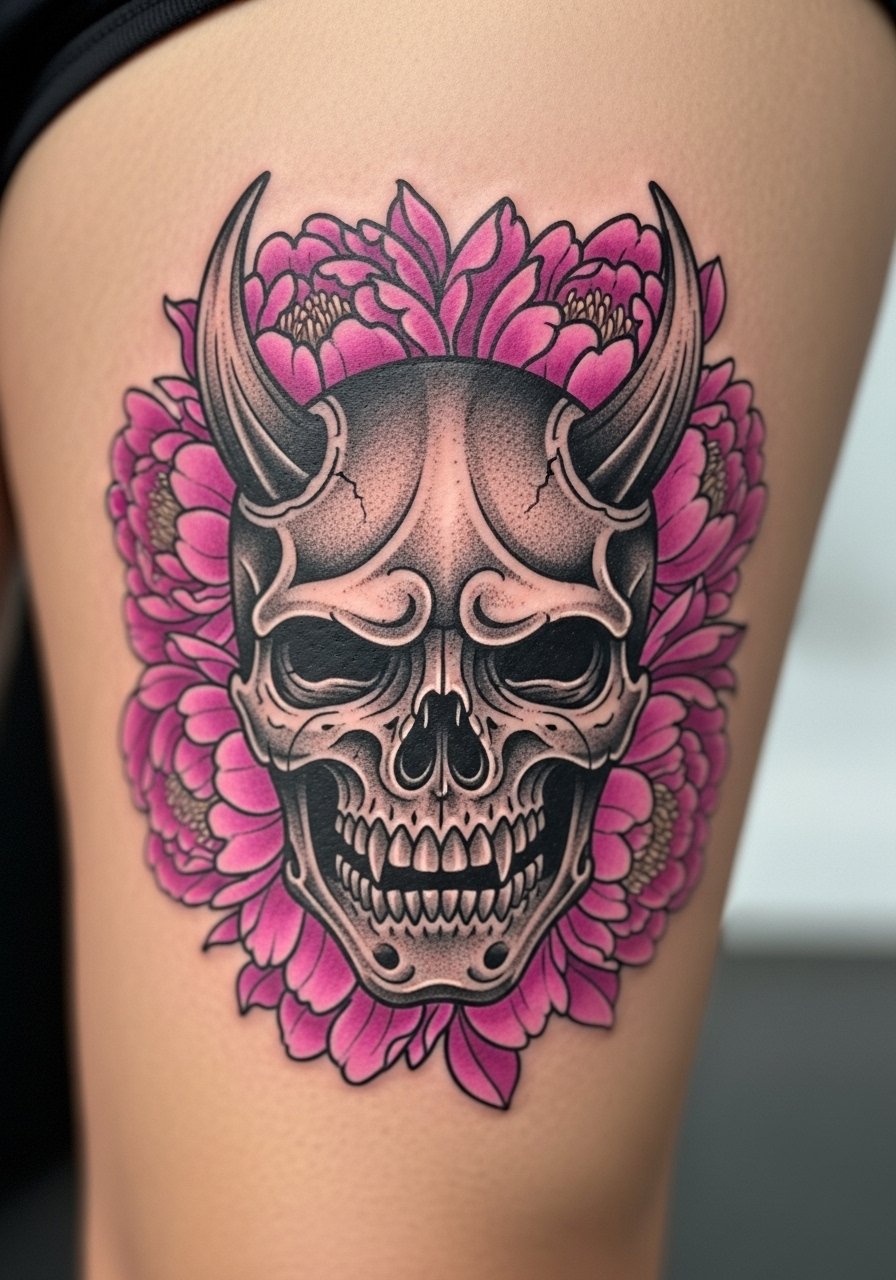
An Oni skull wrapped in peonies pairs threat with softness. The contrast between the demon mask and lush petals creates a dramatic focal point.
Style & Design Details
- Tattoo style: traditional Japanese bold/neo-traditional hybrid
- Recommended size: palm to thigh panel
- Best placements: thigh, calf, upper arm
- Color vs. blackwork: bold blacks with bright flower colors
- Design elements: horned skull, petal layering, bold texture, negative space teeth highlights
- Longevity note: mix of heavy black and color holds strong; petal edges may soften
- Who it suits: lovers of dark-romantic contrast, medium-to-large scale seekers
Finding the Right Artist
Choose someone who balances bold black texture with soft floral shading. Request healed portfolio shots for contrast assessment.
Aftercare & Healing Tips
Thigh placements move less and heal well. Keep compression clothing loose initially and use Saniderm or standard wrap per your artist.
- Tsuru (Crane) in Flight — Minimal Elegance
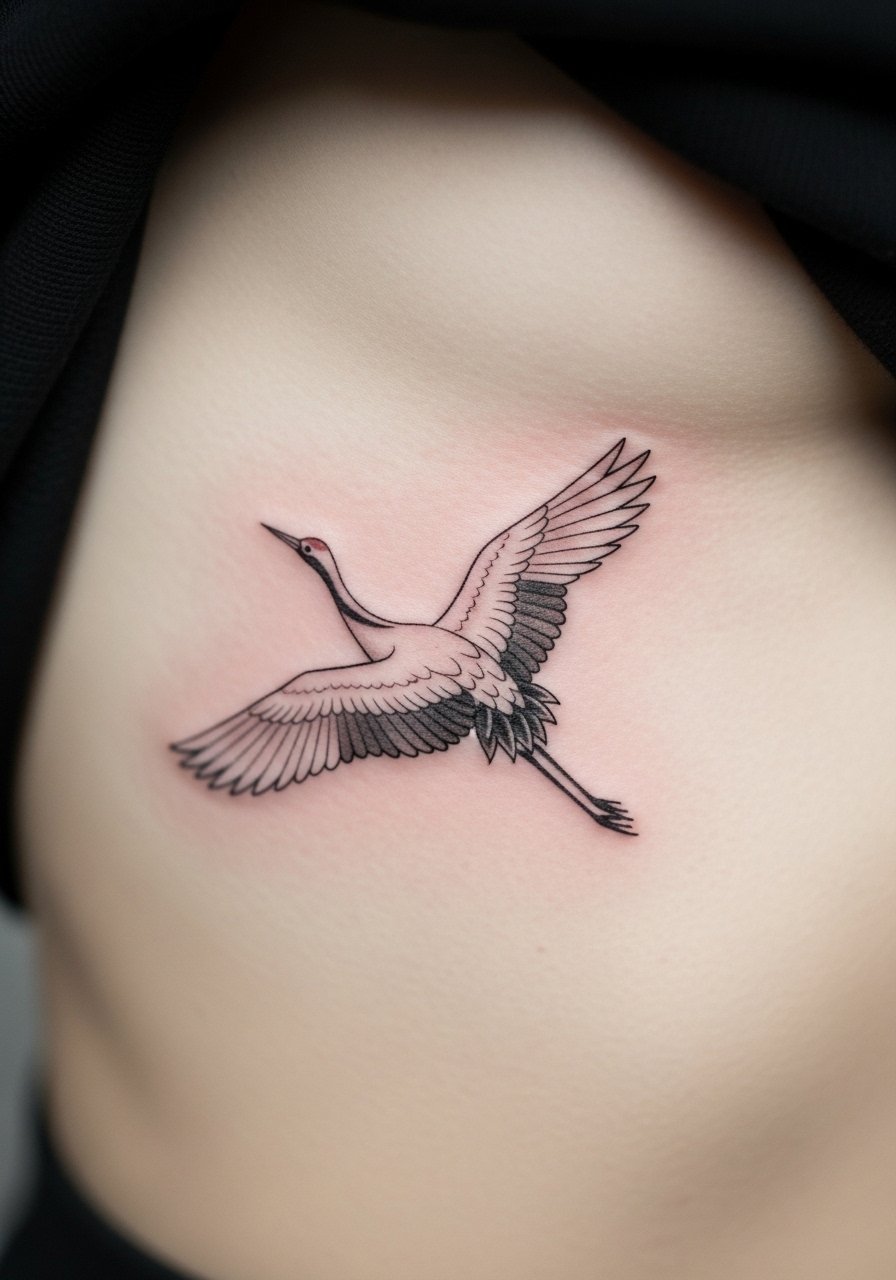
Cranes symbolize longevity and good fortune. A single-needle crane in flight is elegant and works well for placements that curve with motion.
Style & Design Details
- Tattoo style: fine-line Japanese bird motif
- Recommended size: 3–6 inches
- Best placements: ribs, collarbone, scapula
- Color vs. blackwork: black with soft greys; tiny color for beak if desired
- Design elements: single-needle contouring, light feather wash, flowing wing tips, negative space between feathers
- Longevity note: fine lines on ribs can fade faster; touch-ups may be needed
- Who it suits: minimalists wanting symbolic birds, first-timers wanting petite placements
Finding the Right Artist
Book a fine-line specialist with ribcage experience. Ask about pain expectations and whether they use Saniderm for this placement.
Aftercare & Healing Tips
Ribwork can be tender. I recommend a numbing cream like Zensa pre-session for comfort and a fragrance-free lotion post-wrap.
- Snake Wrapped Around a Fan (Sensu)
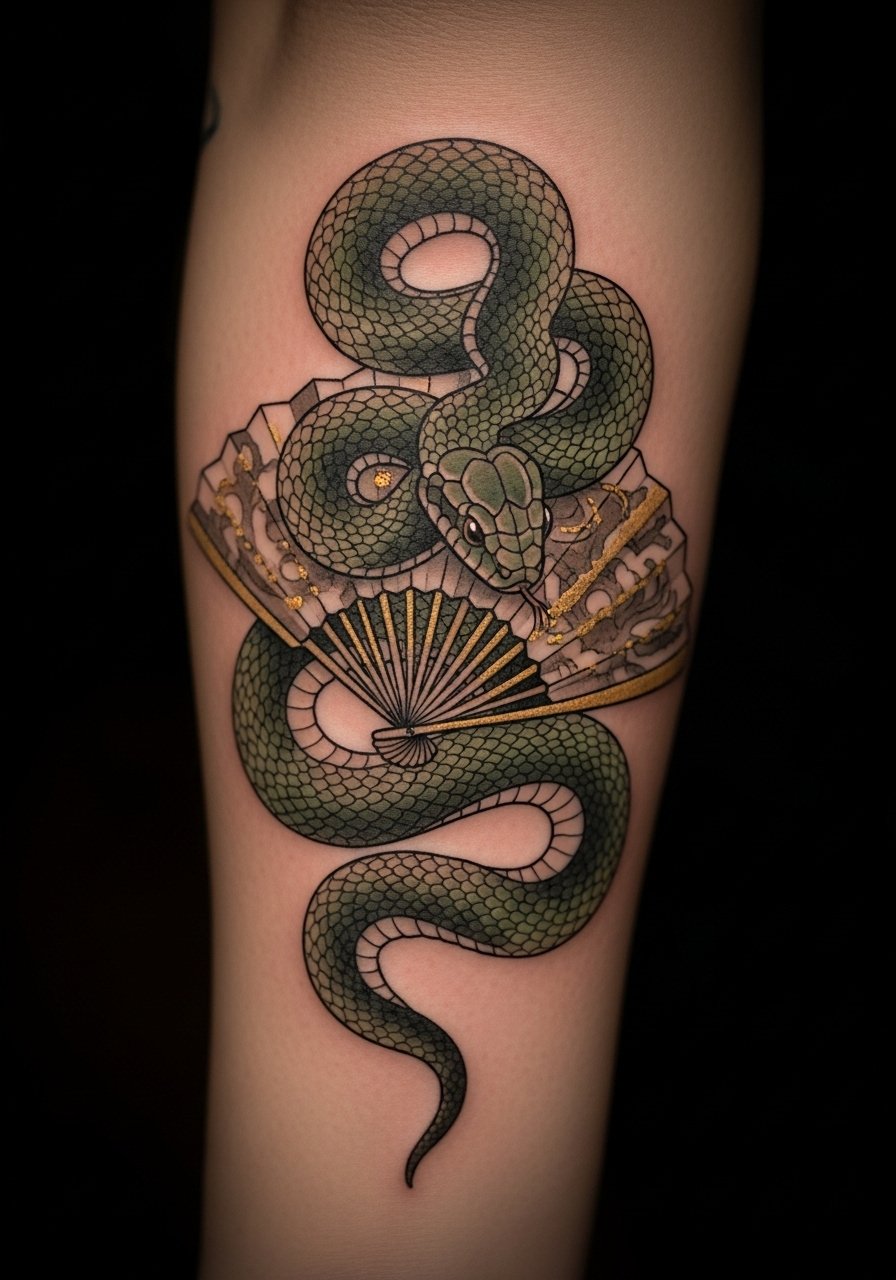
A snake and sensu combination plays with curve and geometry. The fan offers a flat surface for pattern work while the snake brings motion.
Style & Design Details
- Tattoo style: traditional Japanese illustrative
- Recommended size: medium forearm panel
- Best placements: forearm wrap, shin, side torso
- Color vs. blackwork: colored snake with patterned fan highlights
- Design elements: scale texture, fan print, tongue and eye highlights, shadowed underbody
- Longevity note: textured scales hold well if well-packed; fans may need medium lines for definition
- Who it suits: those who like mixed geometry and natural forms
Finding the Right Artist
Look for artists who merge organic and geometric patterns. Ask about needle groupings for scale work.
Aftercare & Healing Tips
Forearm pieces are exposed; keep out of direct sun. Use an unscented lotion like After Inked and avoid abrasive sleeves.
- Map of Japan Negative-Space Skyline
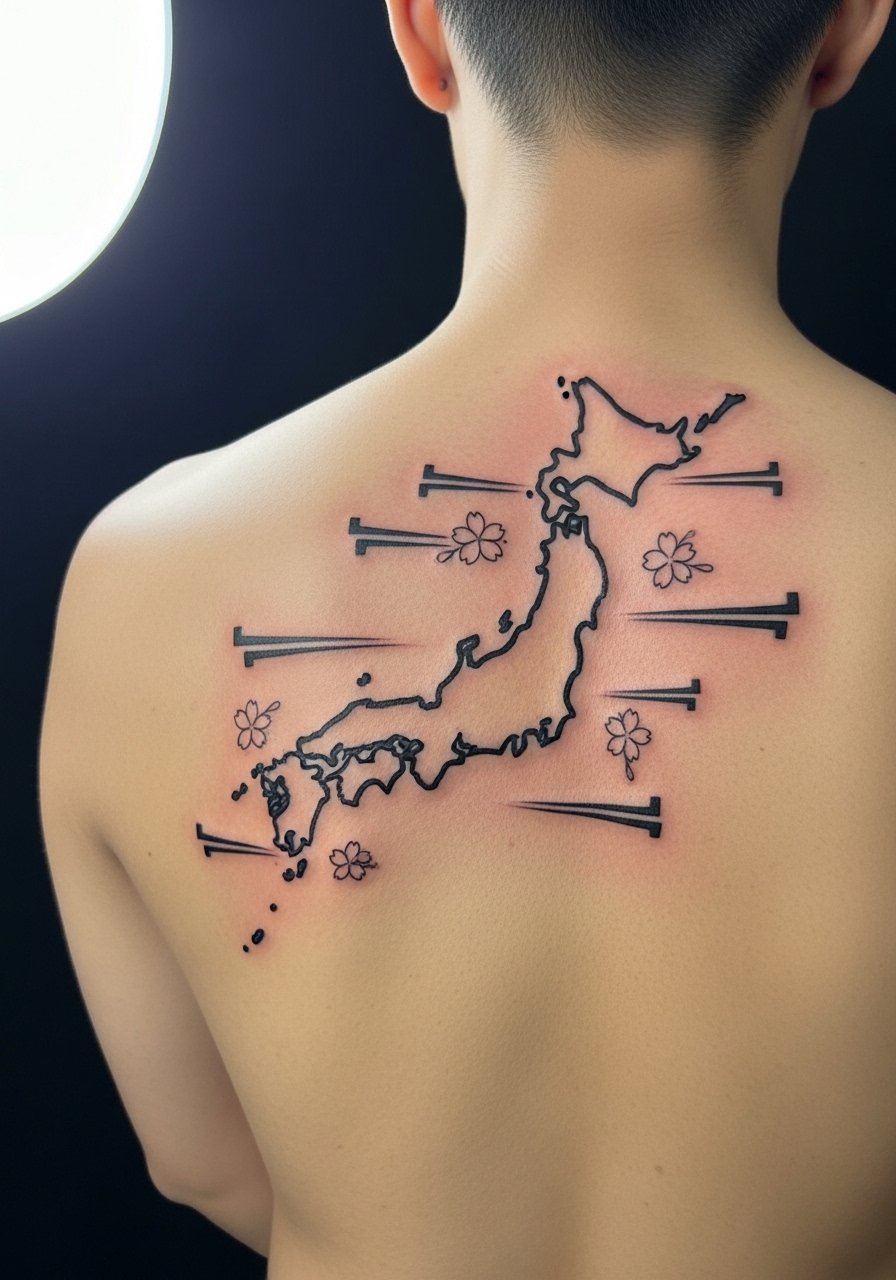
Negative-space map pieces are modern while still honoring place. Surrounding traditional elements tie it more closely to Japanese visual language.
Style & Design Details
- Tattoo style: negative-space Japanese iconography
- Recommended size: 3–6 inches
- Best placements: upper back, chest, forearm
- Color vs. blackwork: black backdrop with clean uninked silhouette
- Design elements: negative-space outline, wind bars, sakura specks, clean edges
- Longevity note: negative-space depends on crisp edges — avoid high-stretch spots
- Who it suits: travelers, heritage-focused collectors, minimalist fans
Finding the Right Artist
Book artists comfortable with clean negative-space work. Request healed examples where the skin tone contrast is similar to yours.
Aftercare & Healing Tips
Keep the area clean and avoid friction from straps. For large black backdrops, confirm your artist’s aftercare plan and use Hustle Butter if they approve heavy moisturizing.
- Carp and Lotus Ankle Band
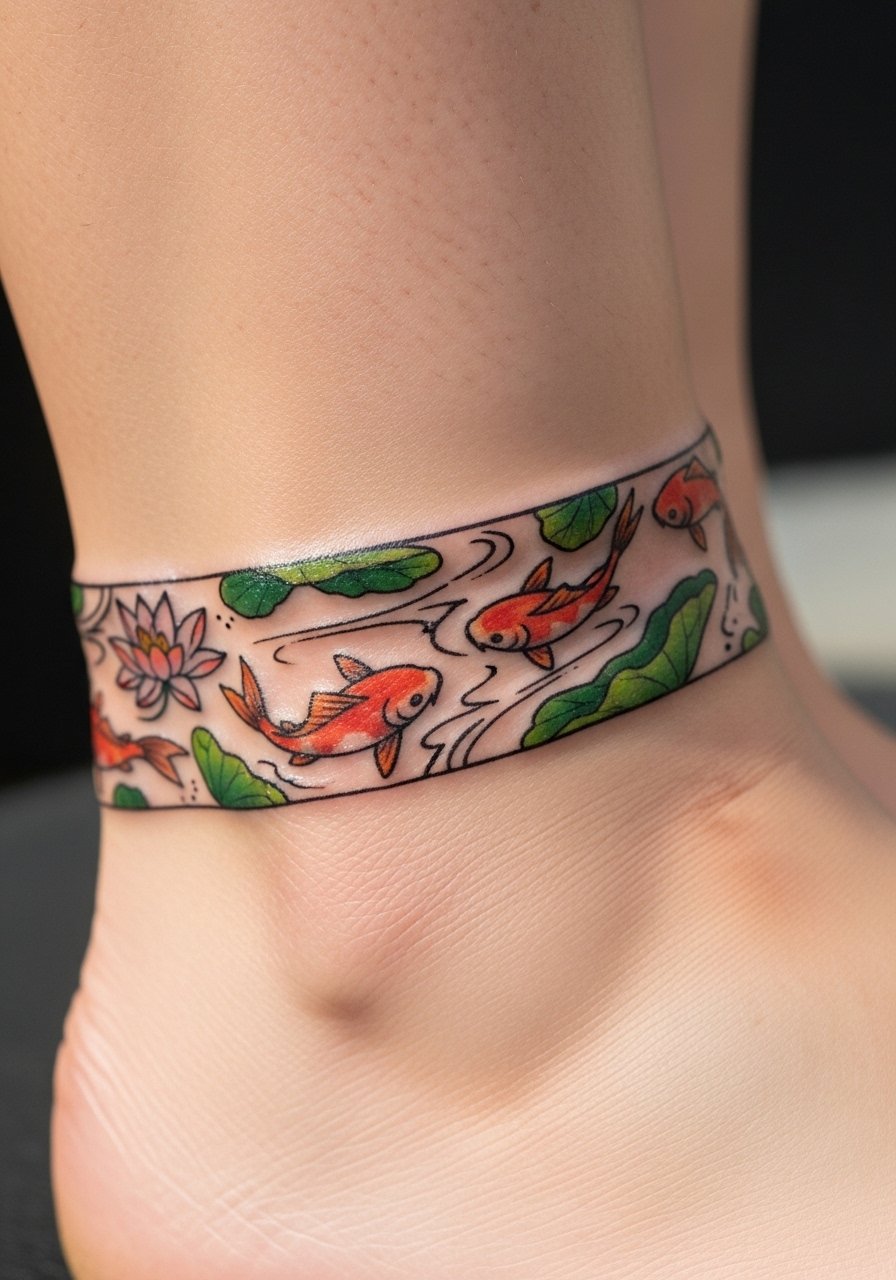
Ankle bands let you wear a narrative without committing to a sleeve. Carp (koi) paired with a lotus symbolizes growth amid struggle.
Style & Design Details
- Tattoo style: small traditional band
- Recommended size: band-width 1–2 inches around ankle
- Best placements: ankle band, wrist band, upper arm cuff
- Color vs. blackwork: color koi with green lotus leaves
- Design elements: repeating scale motifs, petal overlap, negative space water
- Longevity note: ankle is prone to fading; thicker outlines help
- Who it suits: first-timers, discreet narrative seekers
Finding the Right Artist
Find someone who does clean roundwork and even band flows. Ask about how they’ll scale pattern to your ankle circumference.
Aftercare & Healing Tips
Ankle tattoos rub against socks and shoes. Keep a loose sock and avoid tight footwear. Use Lubriderm unscented after the wrap to keep the area supple.
- Samurai Helmet (Kabuto) with Rising Sun Back Piece
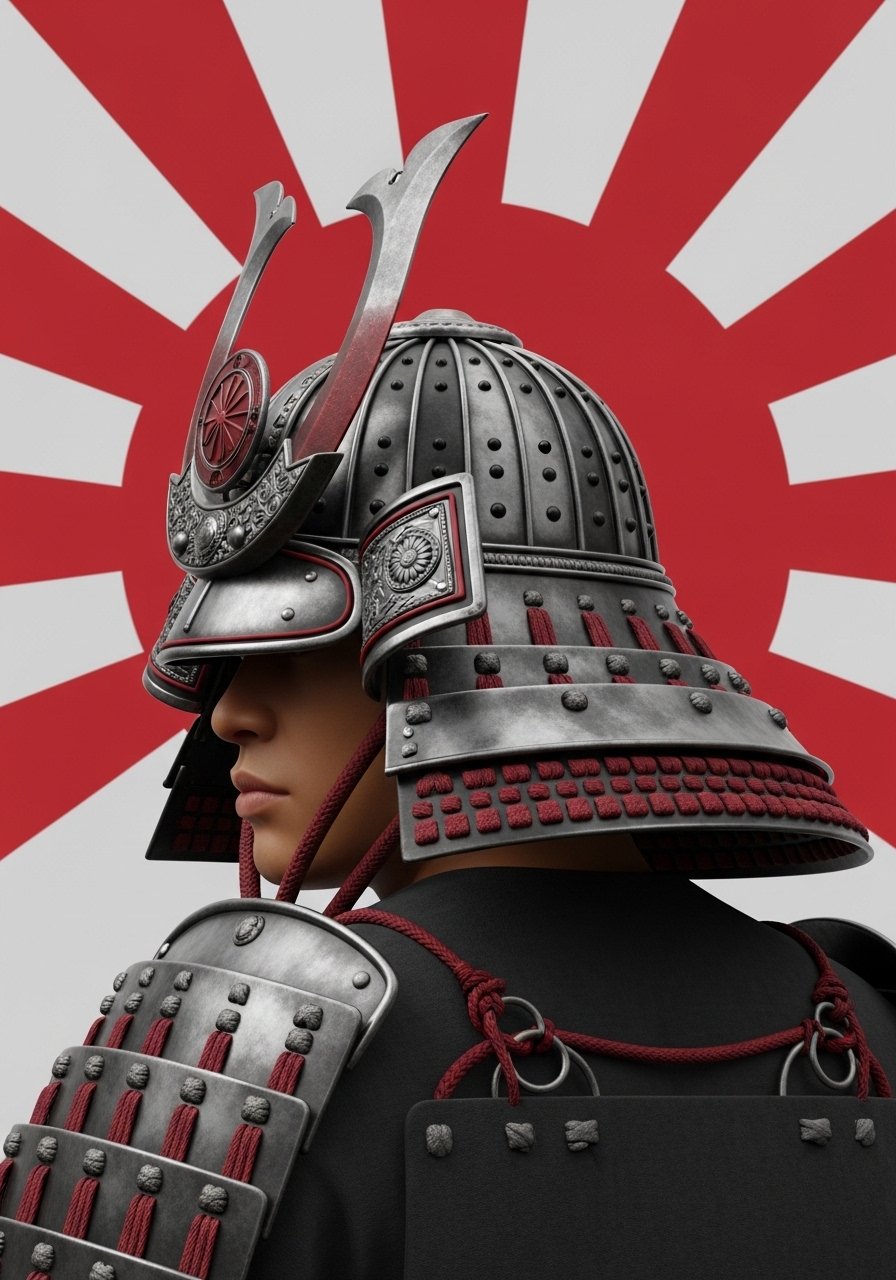
The kabuto is bold and symbolic of honor. Pairing it with a rising sun disc turns the back into a heraldic chestplate.
Style & Design Details
- Tattoo style: traditional Japanese portrait/armor
- Recommended size: medium to large back panel
- Best placements: upper to mid-back, sternum (mini), shoulder blade
- Color vs. blackwork: metallic greys with vermillion sun
- Design elements: helmet crest, tied cords, sun disc, ornate detailing, lotus base
- Longevity note: strong black outlines and solid fill support long-term clarity
- Who it suits: history enthusiasts, bold narrative collectors
Finding the Right Artist
Pick an artist practiced in high-detail armor pieces. Discuss composition so the helmet reads centered when you stand.
Aftercare & Healing Tips
Back pieces sweat during sessions; hydrate and follow your artist’s wrap instructions. Post-wrap, apply a thin layer of Hustle Butter Deluxe when scabs start to flake.
- Lotus Rising from Waves — Wrist to Forearm Accent
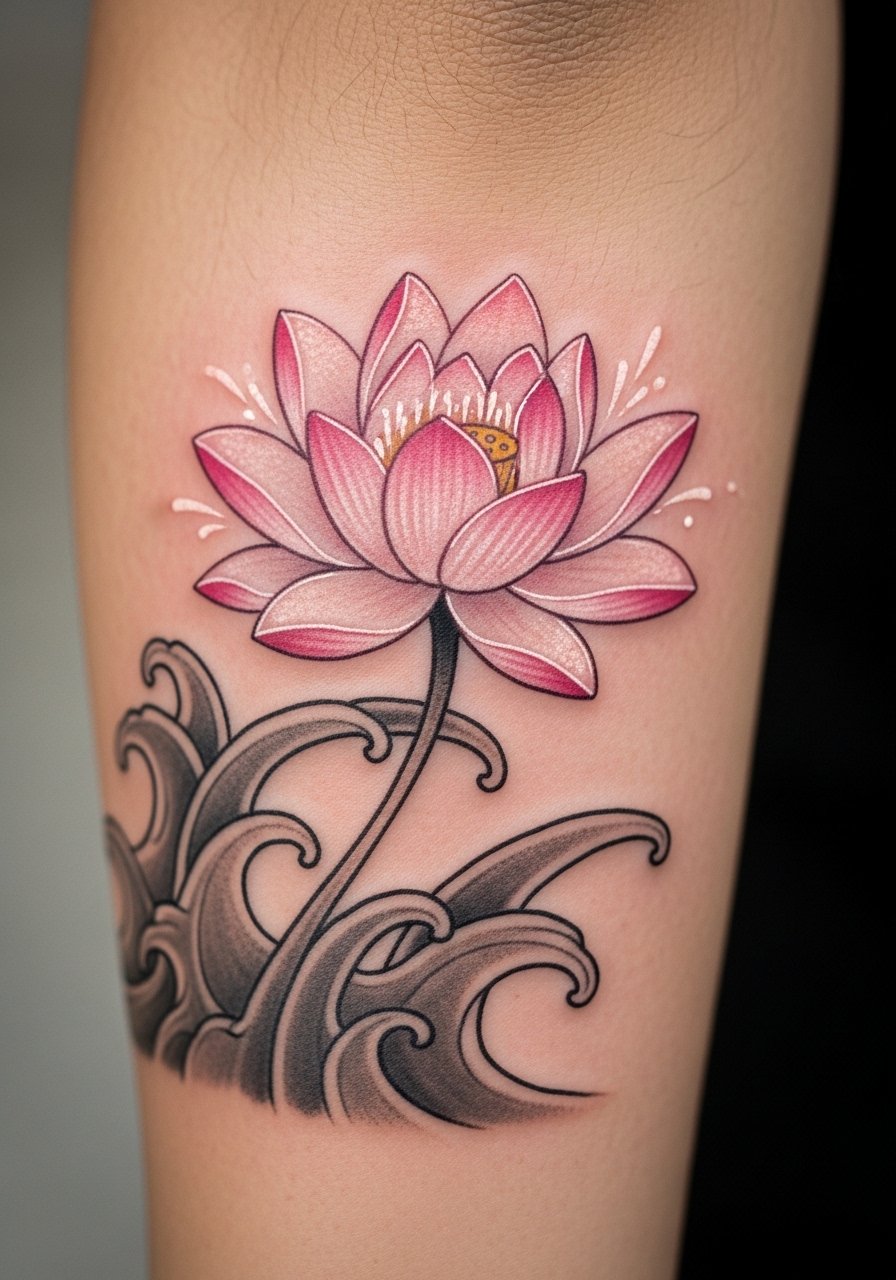
A lotus emerging from waves is a peaceful piece that transitions well from wrist to forearm. It’s compact but rich with symbolism.
Style & Design Details
- Tattoo style: illustrative Japanese floral with background
- Recommended size: 2–4 inches vertical
- Best placements: inner forearm, wrist extension, shin
- Color vs. blackwork: soft petal color with black wave contrast
- Design elements: layered lotus petals, wave foam, line shading, dot highlights
- Longevity note: inner forearm preserves detail well if moisturized
- Who it suits: symbolic floral fans, meditators, compact narrative lovers
Finding the Right Artist
Select someone who can do floral and background waves in one cohesive piece. Ask about petal edge durability.
Aftercare & Healing Tips
Inner forearm heals quickly; keep clean and moisturized with After Inked. Avoid sun exposure during the first 8 weeks.
- Peony Overlapping Dragon — Shoulder Cap
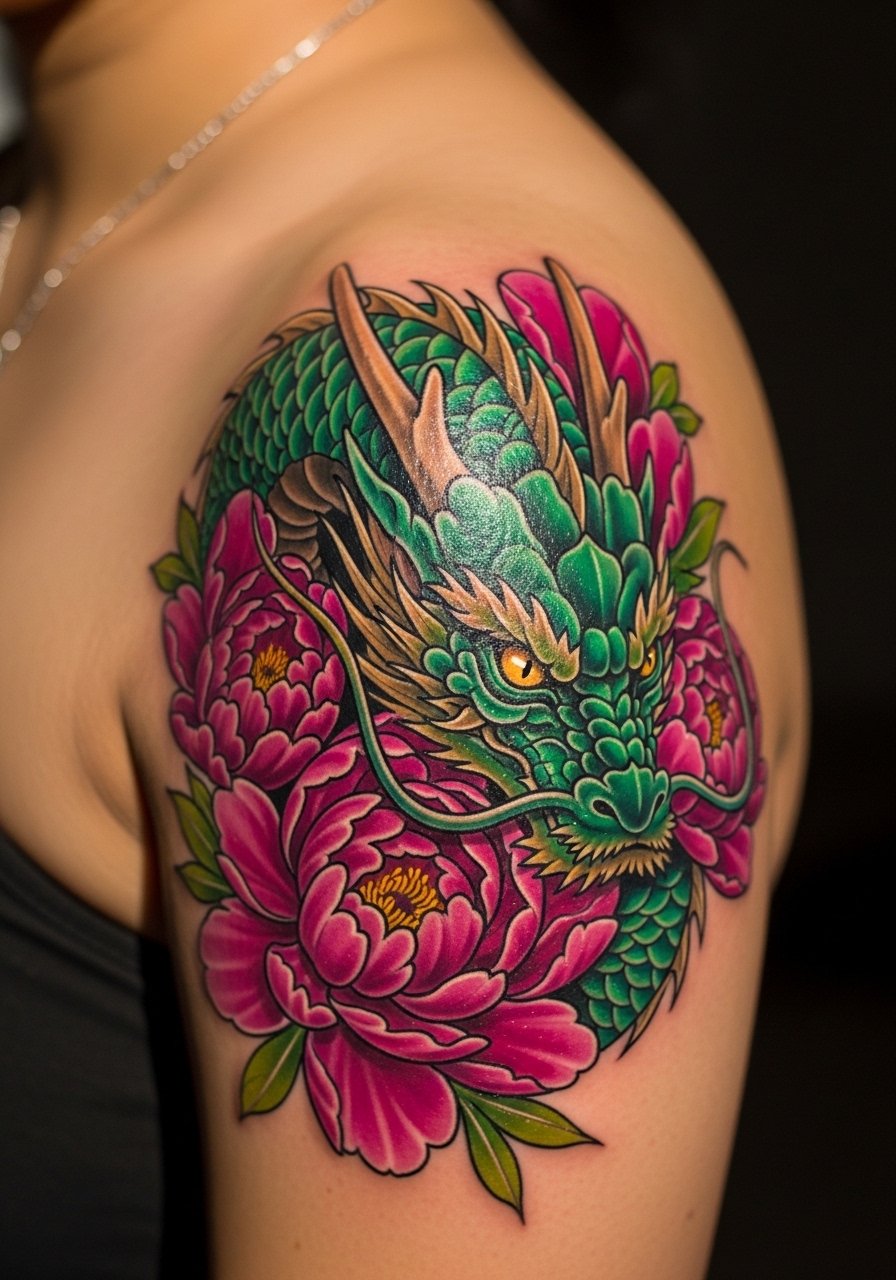
Putting a peony in front of a dragon softens the mythic fierceness and creates layered depth. Shoulder caps are ideal for this interplay.
Style & Design Details
- Tattoo style: neo-traditional Japanese layering
- Recommended size: shoulder cap to upper arm
- Best placements: shoulder cap, deltoid, upper chest
- Color vs. blackwork: vibrant peony colors with contrasting dragon greens
- Design elements: overlapping layers, scale/ petal contrast, subtle shadowing
- Longevity note: overlap hides minor fading; bold lines extend life
- Who it suits: textured-contrast lovers, shoulder statement seekers
Finding the Right Artist
Artists who show layered botanical + animal work are ideal. Ask how they plan depth without overcrowding.
Aftercare & Healing Tips
Shoulder areas move with clothing; keep shirts soft and loose. Use a fragrance-free lotion and protect with SPF once healed.
- Foo Dog Paw Print — Tiny Tribute
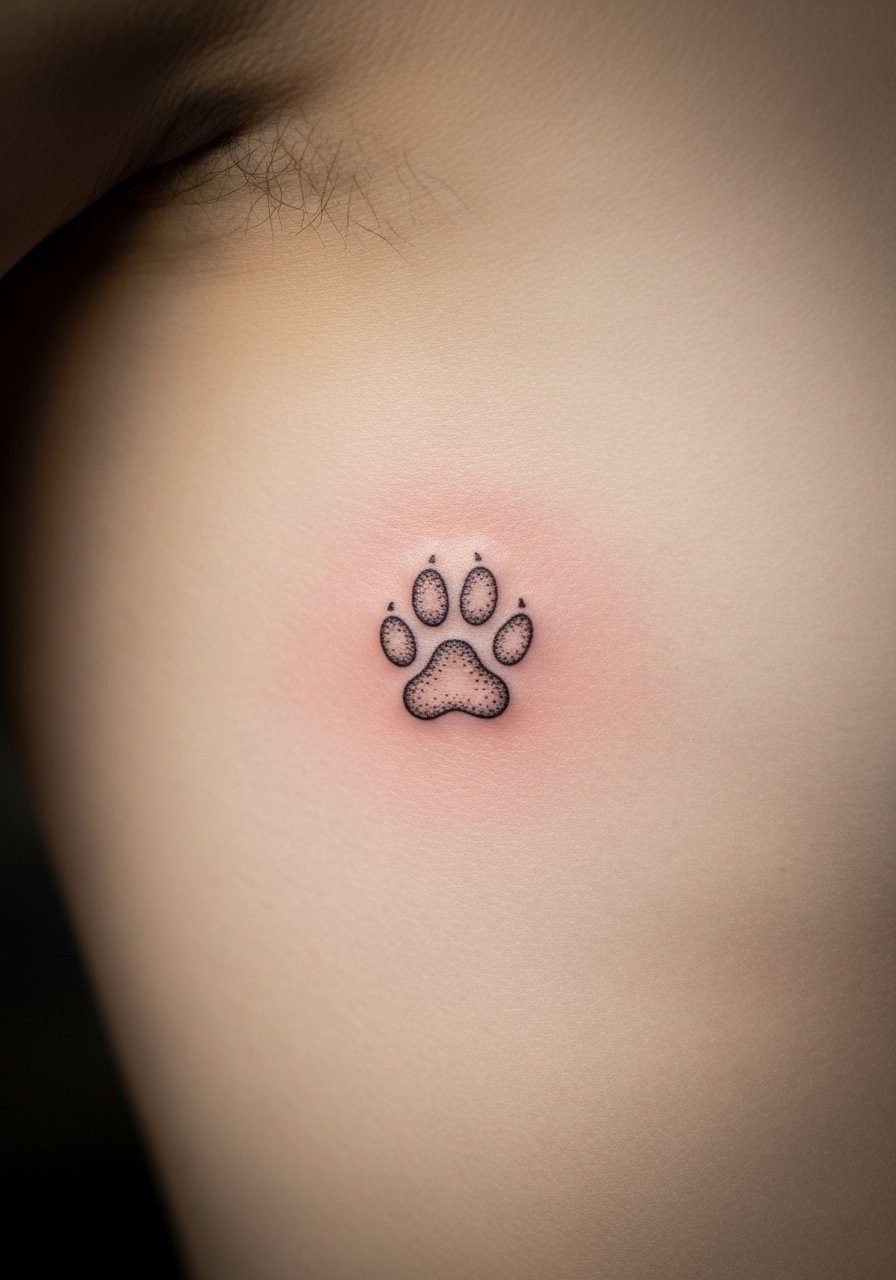
A tiny foo dog paw print functions as a minimalist tribute or charm. It’s small, meaningful, and easy to place discreetly.
Style & Design Details
- Tattoo style: micro traditional
- Recommended size: 0.5–1.5 inches
- Best placements: ribcage side, behind ear, inner ankle
- Color vs. blackwork: black single-needle with dot fill
- Design elements: tiny paw pads, negative-space claws, light stipple
- Longevity note: small single-needle tattoos need touch-ups more often
- Who it suits: subtle symbolism seekers, memorial pieces
Finding the Right Artist
Only book an artist who does crisp micro pieces and can show healed micro-dot work. Discuss exact size and placement for longevity.
Aftercare & Healing Tips
Small pieces often heal fast; use a light application of After Inked and avoid tight garments that rub.
- Fan of Seasons — Four Small Panel Fans
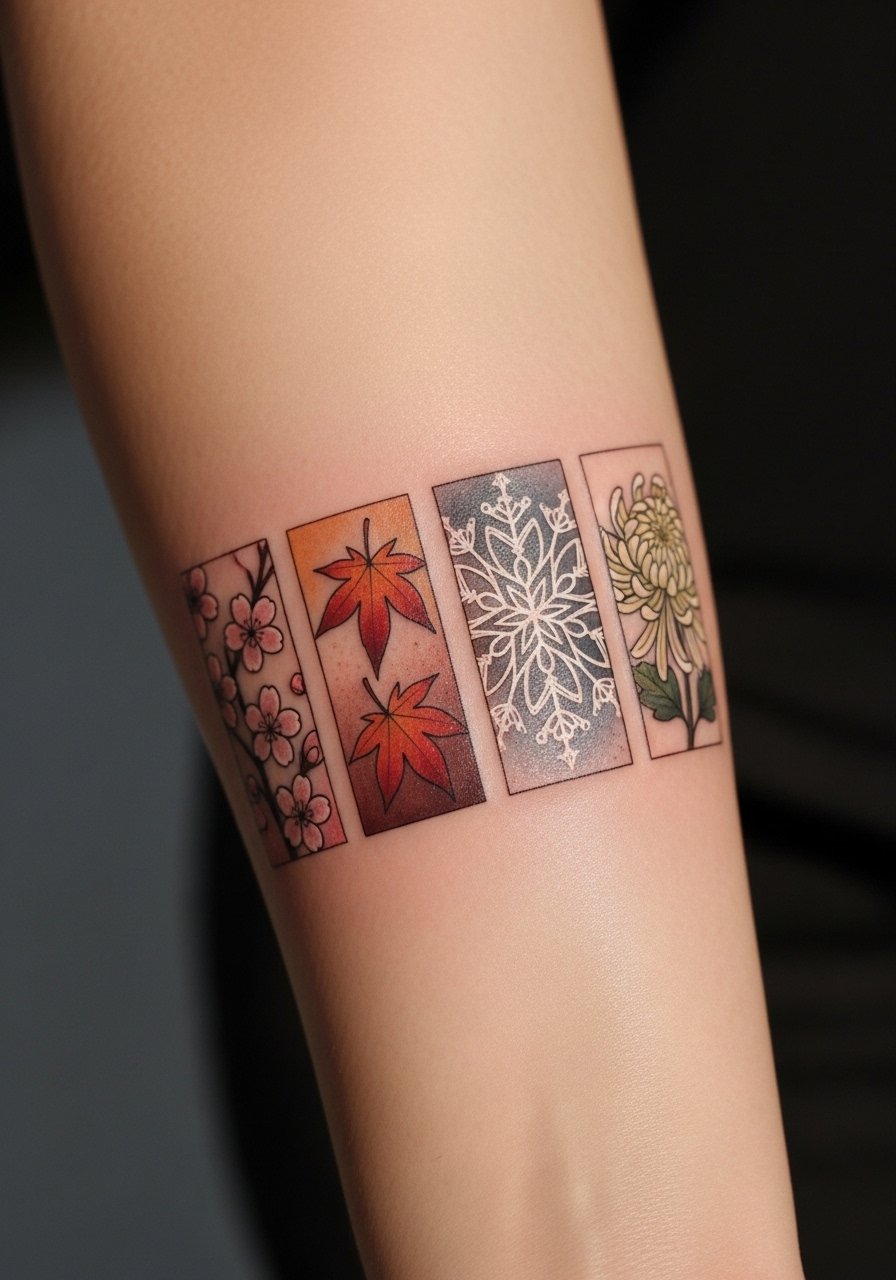
Four small fans, each showing a season, create a compact narrative about time and cycles. Panels can be aligned vertically or wrapped around the forearm.
Style & Design Details
- Tattoo style: miniature Japanese illustrative
- Recommended size: each fan 1–2 inches
- Best placements: forearm column, calf, outer arm
- Color vs. blackwork: subtle seasonal colors per panel
- Design elements: seasonal florals, tiny patterning, delicate shading, panel borders
- Longevity note: small panels retain detail best on low-friction areas
- Who it suits: collectors wanting themed sets, lovers of seasonal symbolism
Finding the Right Artist
Choose an artist experienced with tiny scenes and consistent line scale across panels. Ask how they’ll maintain color continuity.
Aftercare & Healing Tips
Keep panels moisturized with Hustle Butter Deluxe to preserve color during peeling. Avoid swimming until fully healed.
- Kabuki Actor Mask Sleeve Accent
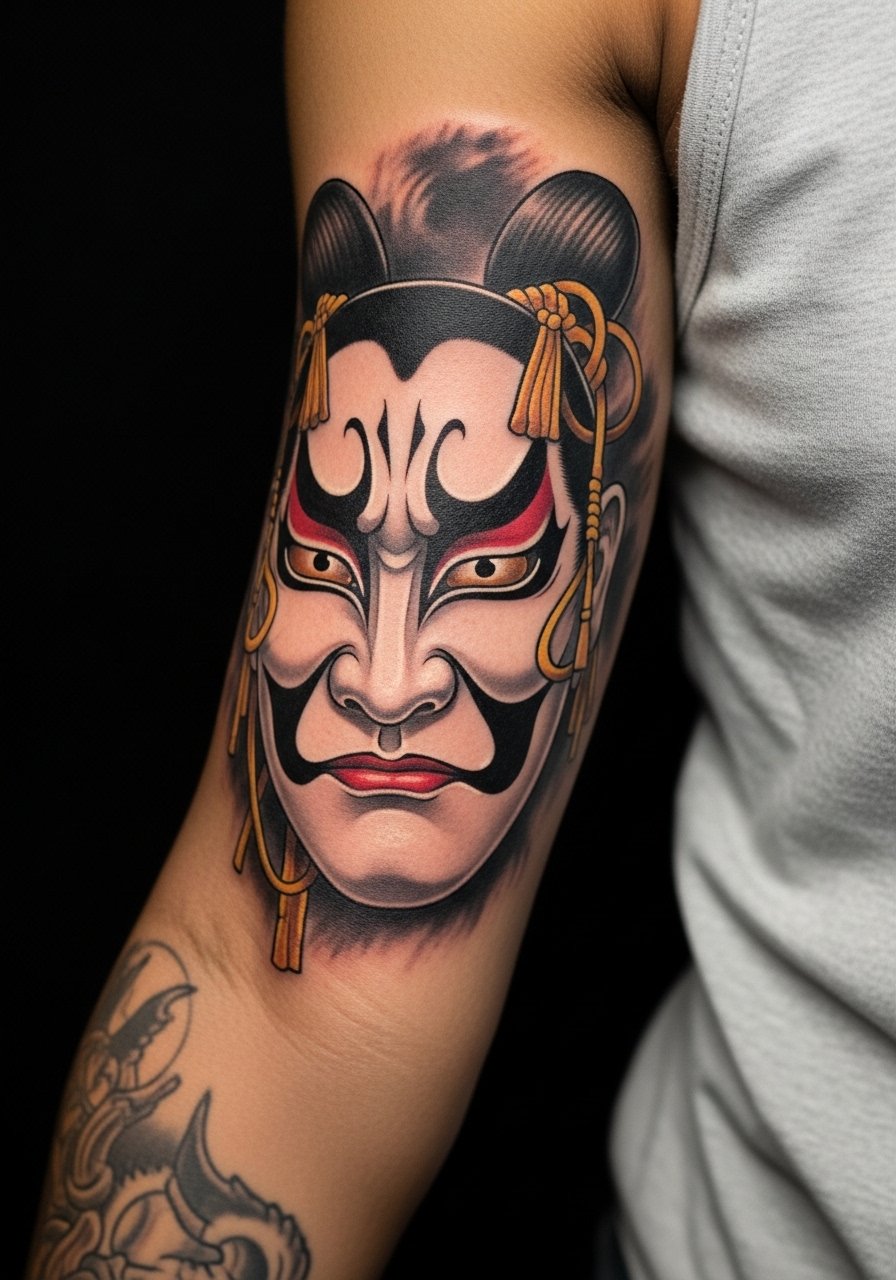
Kabuki masks are dramatic and perfect for sleeves that tell a theatrical story. They pair well with wind bars and floral motifs.
Style & Design Details
- Tattoo style: traditional theater portraiture
- Recommended size: half-sleeve to full sleeve
- Best placements: full arm, thigh, back of calf
- Color vs. blackwork: theatrical reds and whites with strong black lines
- Design elements: painted face lines, stylized expression lines, stage props, flowing kimono elements
- Longevity note: strong contrast preserves expressions
- Who it suits: dramatic aesthetic lovers, narrative sleeve collectors
Finding the Right Artist
Artists with portrait and theatrical work are ideal. Ensure they discuss facial feature scaling and color saturation.
Aftercare & Healing Tips
Sleeve pieces need consistent moisturization through multi-session healing phases. Use Lubriderm unscented between sessions to keep skin supple.
- Bamboo and Sparrow — Subtle Movement
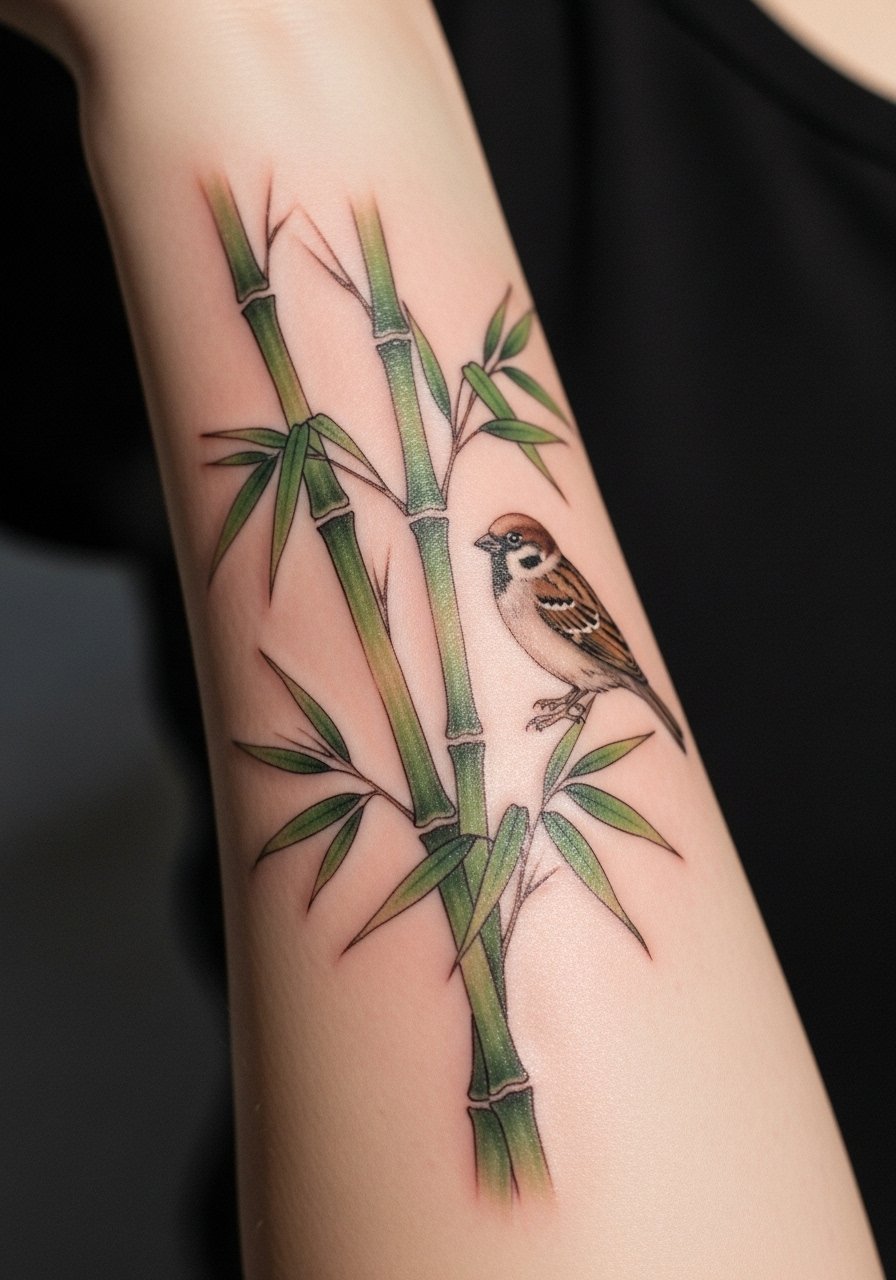
Bamboo symbolizes resilience; paired with a sparrow it becomes a quiet vignette about flexibility and small joys. Works well as a vertical motif.
Style & Design Details
- Tattoo style: illustrative Japanese botanical
- Recommended size: 3–5 inches vertical
- Best placements: inner forearm, side rib, calf
- Color vs. blackwork: soft greens and browns with black outlines
- Design elements: segmented bamboo nodes, leaf ink wash, tiny bird detail, thin branching
- Longevity note: thin leaves can blur; thicker stems help longevity
- Who it suits: nature lovers, subtle storytelling fans
Finding the Right Artist
Look for artists who do small wildlife and plant pairings. Ask about how they render small feathers and leaf veins.
Aftercare & Healing Tips
Birds and plants heal cleanly on the forearm; keep moisturized and avoid abrasive sleeves. A light application of After Inked works well.
- Norimono (Carriage) Scene — Historical Panel
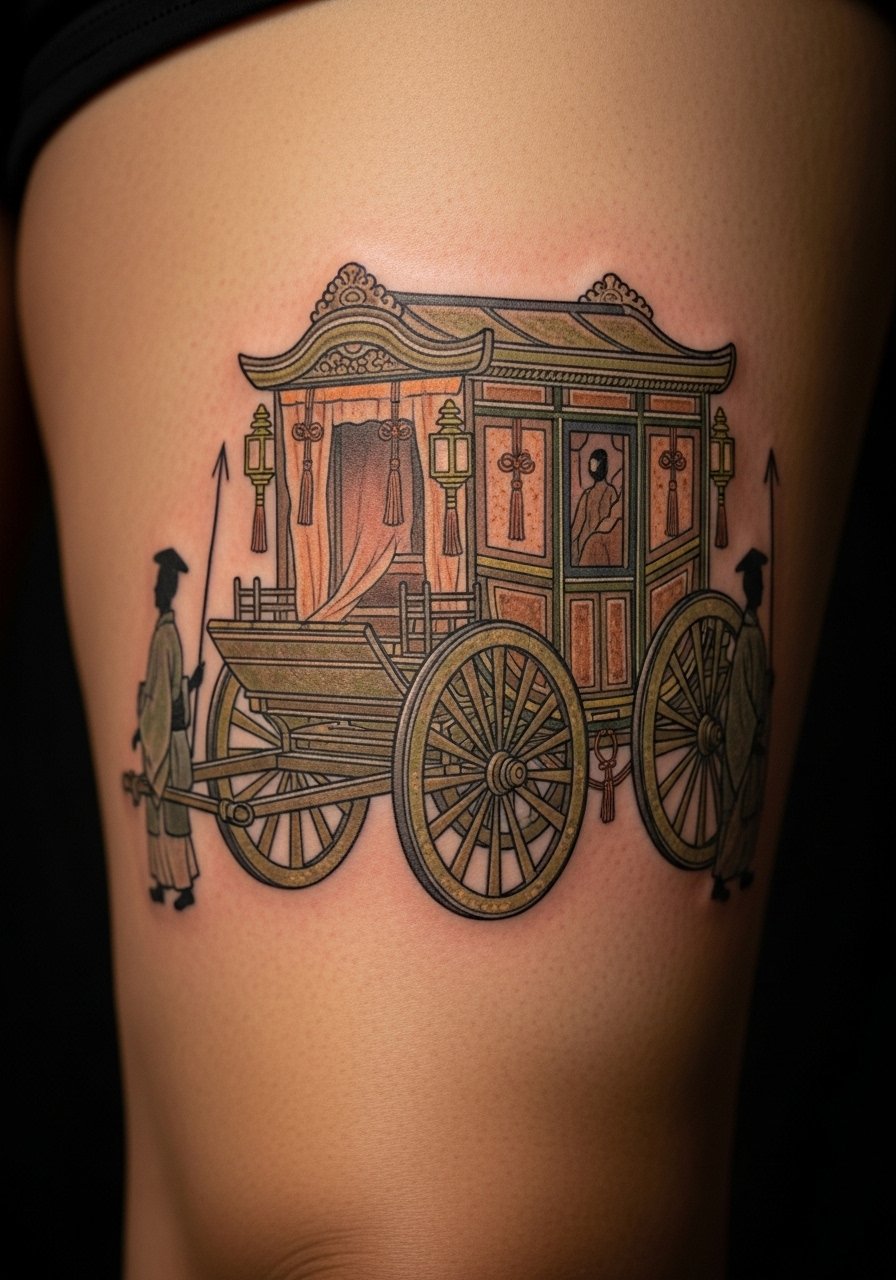
A norimono pulls historical context into a tattoo narrative. It’s gorgeous as a mid-thigh panel or upper-back vignette.
Style & Design Details
- Tattoo style: narrative historical illustration
- Recommended size: medium panel
- Best placements: thigh, upper back, ribcage
- Color vs. blackwork: earth tones with black line work
- Design elements: carriage silhouette, folded cloth textures, small figure gestures, background architecture
- Longevity note: story panels age well if major contours are bold
- Who it suits: history buffs, collectors wanting scene work
Finding the Right Artist
Find illustrators comfortable with small figures and architectural elements. Ask how they’ll keep faces simplified to avoid blurring.
Aftercare & Healing Tips
Thighs are forgiving for healing — keep clothes loose and use Hustle Butter Deluxe during flaking to prevent heavy scabs.
- Moon with Fox (Kitsune) Tail Wrap
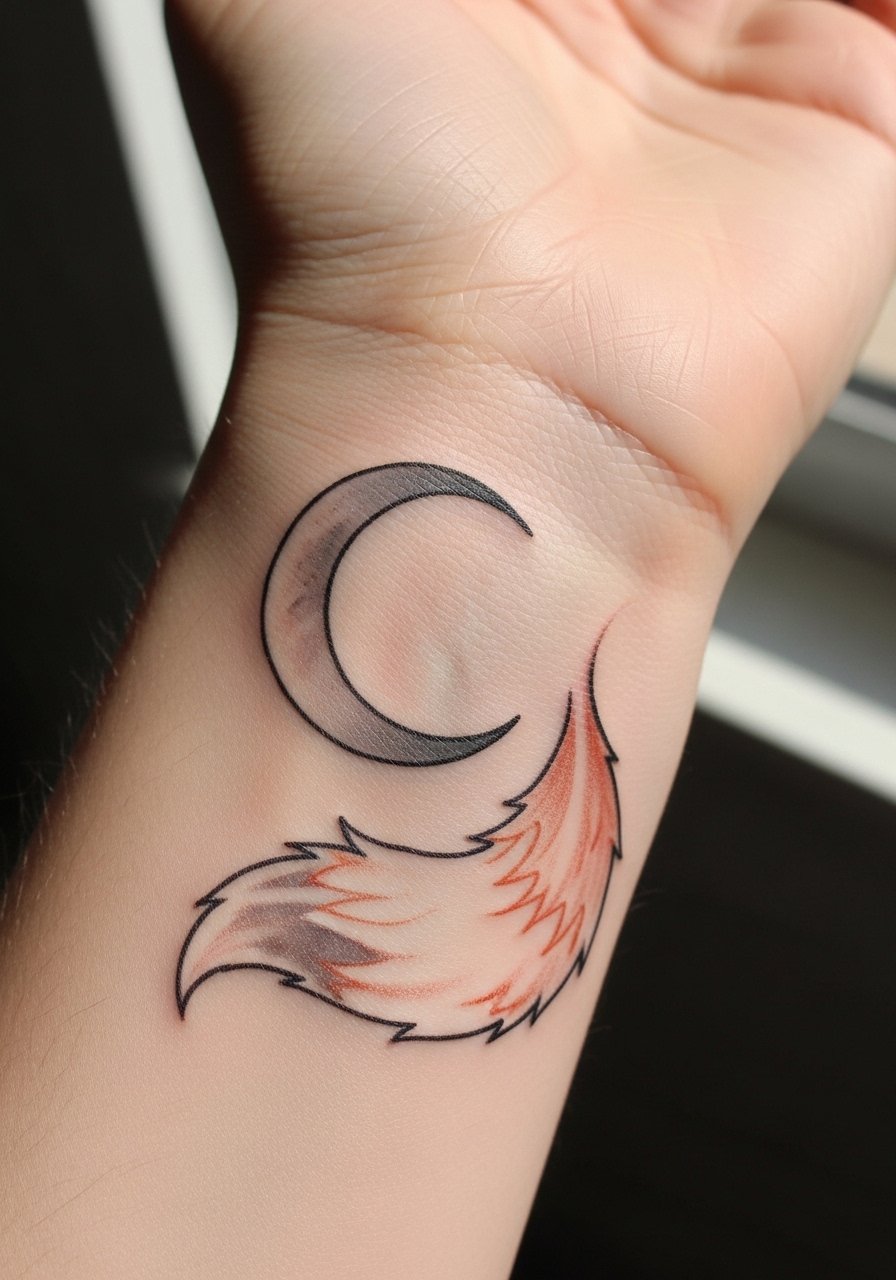
Kitsune tattoos are rich with mythology, and pairing one with a moon adds mystique. Tail wrap placements accentuate wrist and ankle curves.
Style & Design Details
- Tattoo style: mythic Japanese illustrative
- Recommended size: 2–4 inches wrapping
- Best placements: wrist wrap, ankle wrap, behind shoulder blade
- Color vs. blackwork: fox oranges with soft grey moon
- Design elements: tail fur texture, moon crater dotting, small star accents, negative-space curl
- Longevity note: tail texture holds with good saturation; moon shading should be dense enough to avoid patchiness
- Who it suits: myth lovers, fans of folklore motifs
Finding the Right Artist
Choose an artist skilled in animal texture and small celestial shading. Ask how they’ll scale tail fur details to skin movement.
Aftercare & Healing Tips
Wrap placements see a lot of movement; avoid tight bracelets and keep moisturized with After Inked. Apply SPF to exposed areas after healing.
- Full-Body Backpiece: Phoenix Rising from Ashes
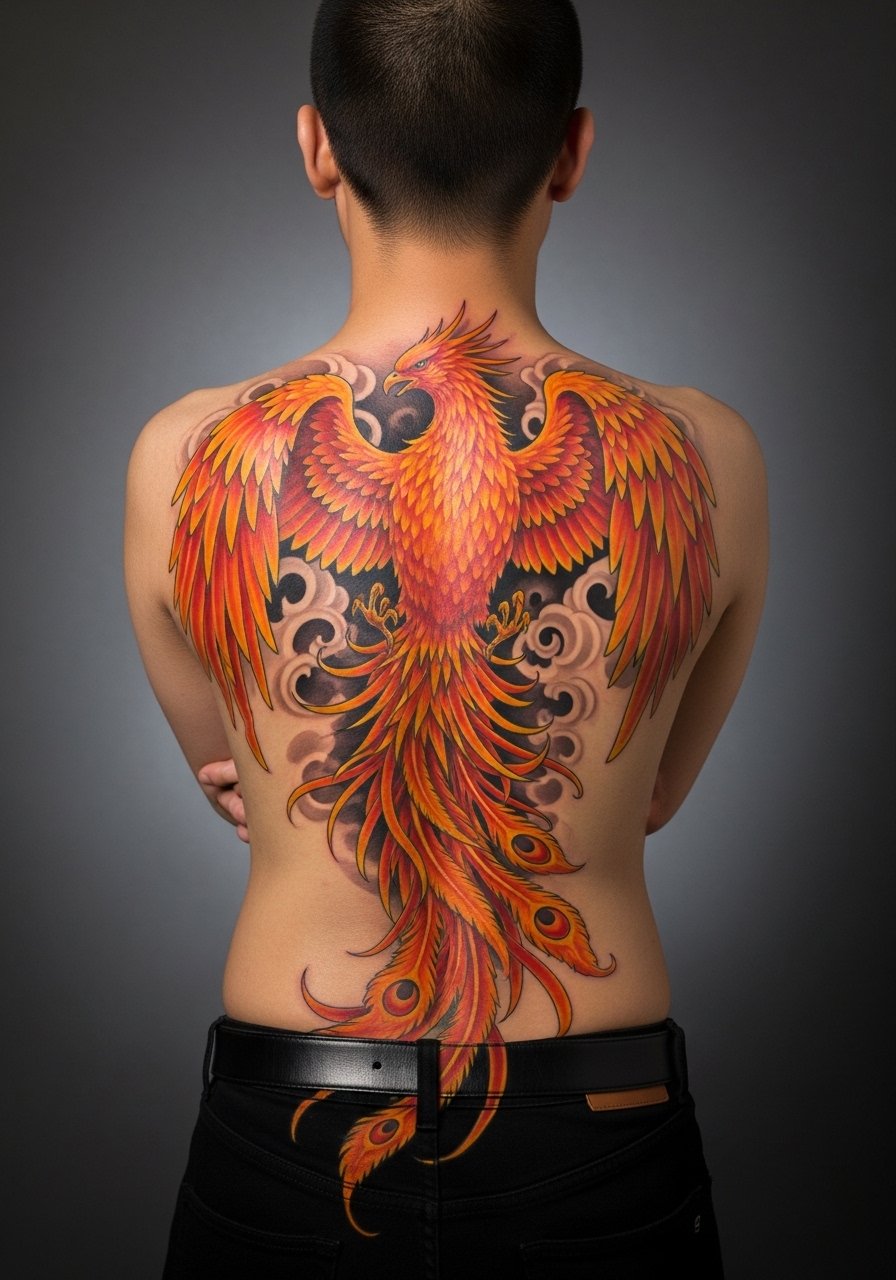
A phoenix backpiece reads like rebirth and spectacle. The long tail feathers allow for flow down the spine, and the color gradient can be jaw-dropping when well-executed.
Style & Design Details
- Tattoo style: large-scale traditional Japanese with painterly color transitions
- Recommended size: full back or large upper-back
- Best placements: full back, down the spine, extended to thighs
- Color vs. blackwork: bright oranges, golds, deep reds with black anchors
- Design elements: feather gradient, ash/body motion lines, negative-space highlights, cloud/wave background
- Longevity note: large gradients need solid saturation and may require color refresh in years
- Who it suits: committed collectors, narrative full-back seekers
Finding the Right Artist
This is for very experienced artists. Ask for multi-session planning, color-brand preferences, and healed backpiece portfolios. Avoid inexperienced artists promising full-back completion in one marathon.
Aftercare & Healing Tips
Full-back pieces require staged healing; follow your artist’s pacing. For long-term color protection, use a mineral tattoo sunscreen stick SPF 50 daily when exposed and schedule touch-ups 6–12 months after completion.
Save this post, bring a few images to your consultation, and mention what you want the tattoo to say about you. These 25 Japanese traditional tattoo ideas range from quiet minimal pieces to full narratives, each with placement guidance and realistic aftercare tips so your ink ages well. Which of these styles or placements are you thinking about? Pin this to your board or share with a friend who’s booking their next session — and consider grabbing a recovery kit like Hustle Butter Deluxe before you sit so you’re ready the instant you get home.