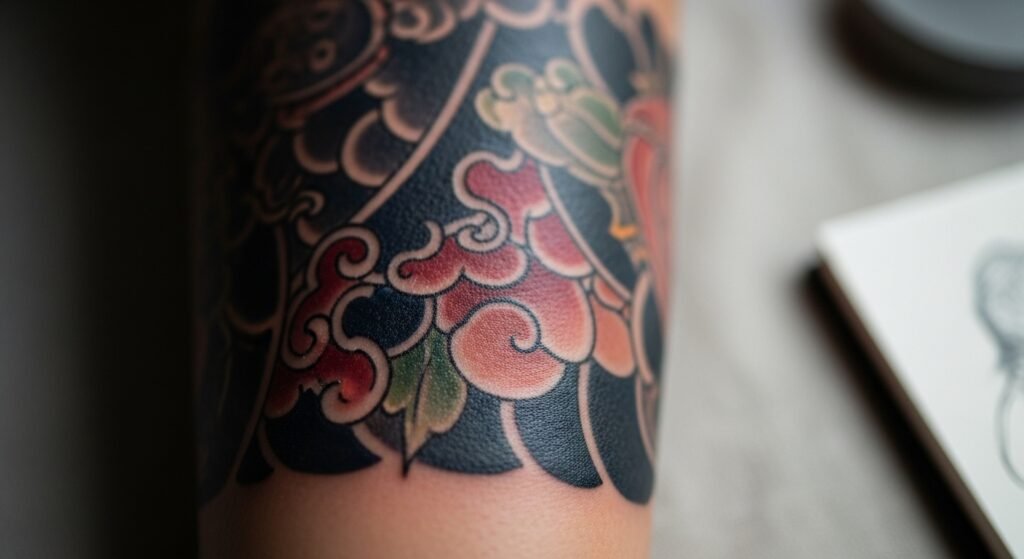
You’re scrolling at 2 a.m., staring at samurai masks and peonies, wondering how to make that vision truly yours. Learning how to design a Japanese traditional tattoo can turn that midnight mood-board into a meaningful piece that reads beautifully on your body. You’ll learn how to pick culturally accurate motifs, test placement, and brief an artist so the final design feels authentic and personal.
Prep before the chair matters. Try a light numbing option like a trusted numbing cream for sensitive placements and have a roll of Saniderm on hand for post-session protection. This guide shows placement tips, the artist convo, an aftercare routine, and how to plan for healed results and touch-ups.
Choose meaningful motifs and scale for the body (fine line vs bold traditional)
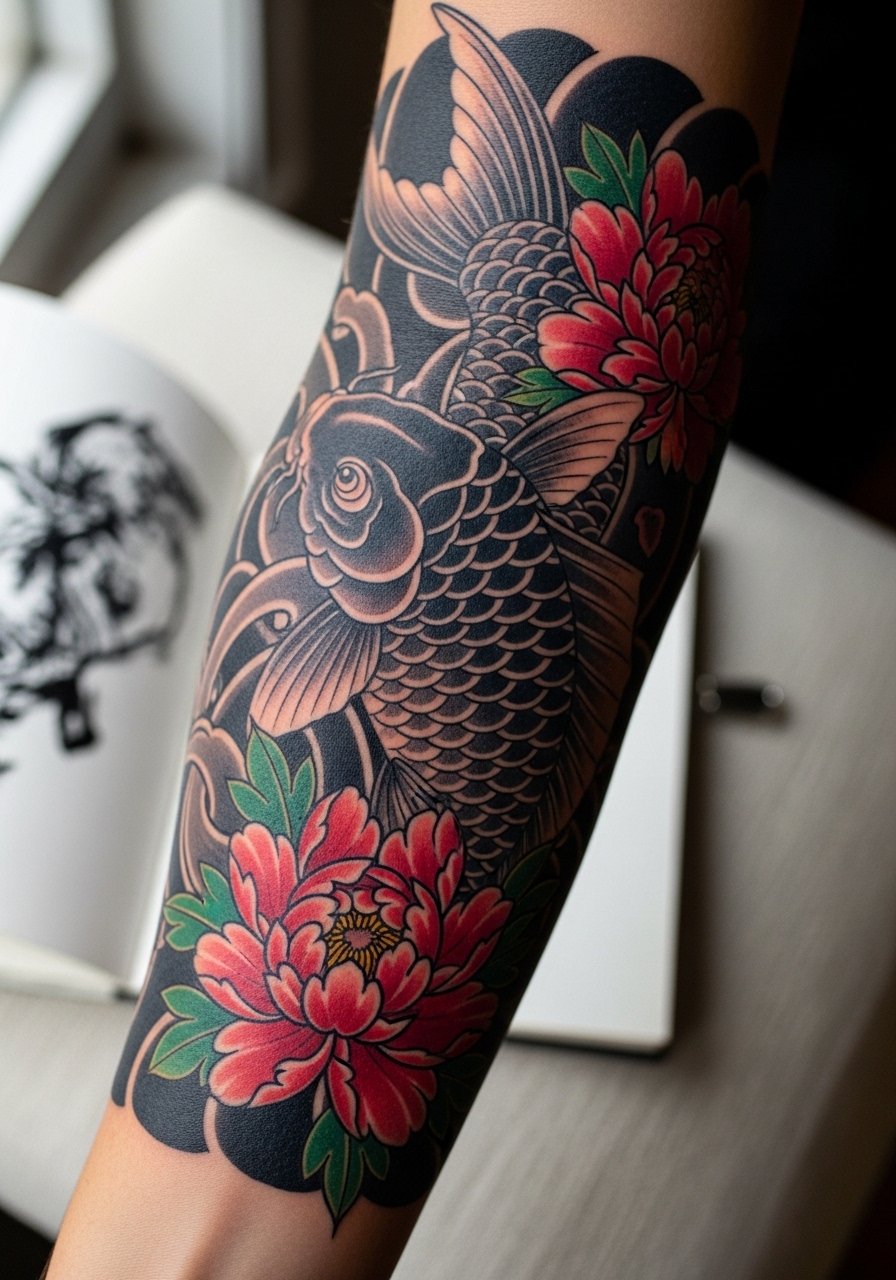
How to design a Japanese traditional tattoo starts with picking motifs that match both meaning and style. Traditional Irezumi elements—koi (perseverance), peony (wealth), waves (life’s change), and oni (protection/lesson)—carry specific connotations. Decide whether you want the classic bold, saturated look or a modern fine line adaptation.
Tips:
- Choose one central motif and 1–2 supporting elements to avoid clutter.
- Scale matters: chest and back take large, flowing compositions; forearms and calves suit mid-sized pieces and fine line versions.
- If you like minimalist or neo-traditional blends, bring references showing both weight and line density.
Test the placement and composition before committing (beginner placement, stencil tricks)
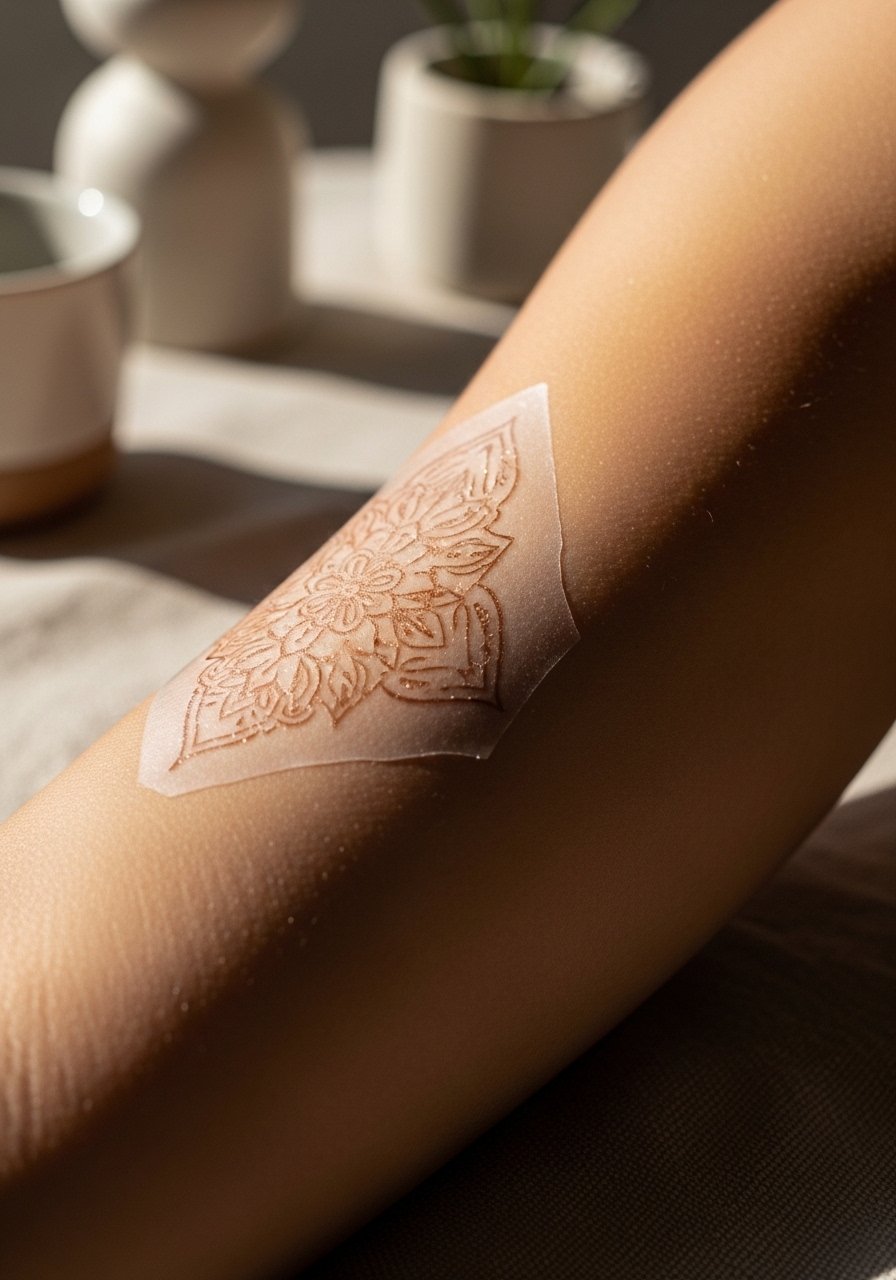
Before ink, test placement visually and physically. Use an Inkbox semi-permanent tattoo kit or print your stencil onto tattoo stencil transfer paper to live with the layout for a few days.
Steps:
- Print scaled versions of the design at home.
- Apply temporary stencils to check flow with muscle movement for 24–72 hours.
- Move, stretch, and photograph the test to see how it reads from common angles.
Bring these tests to your consultation; they make communication with the artist direct and less awkward.
Work with an artist who knows Japanese traditional aesthetics (what to tell them)
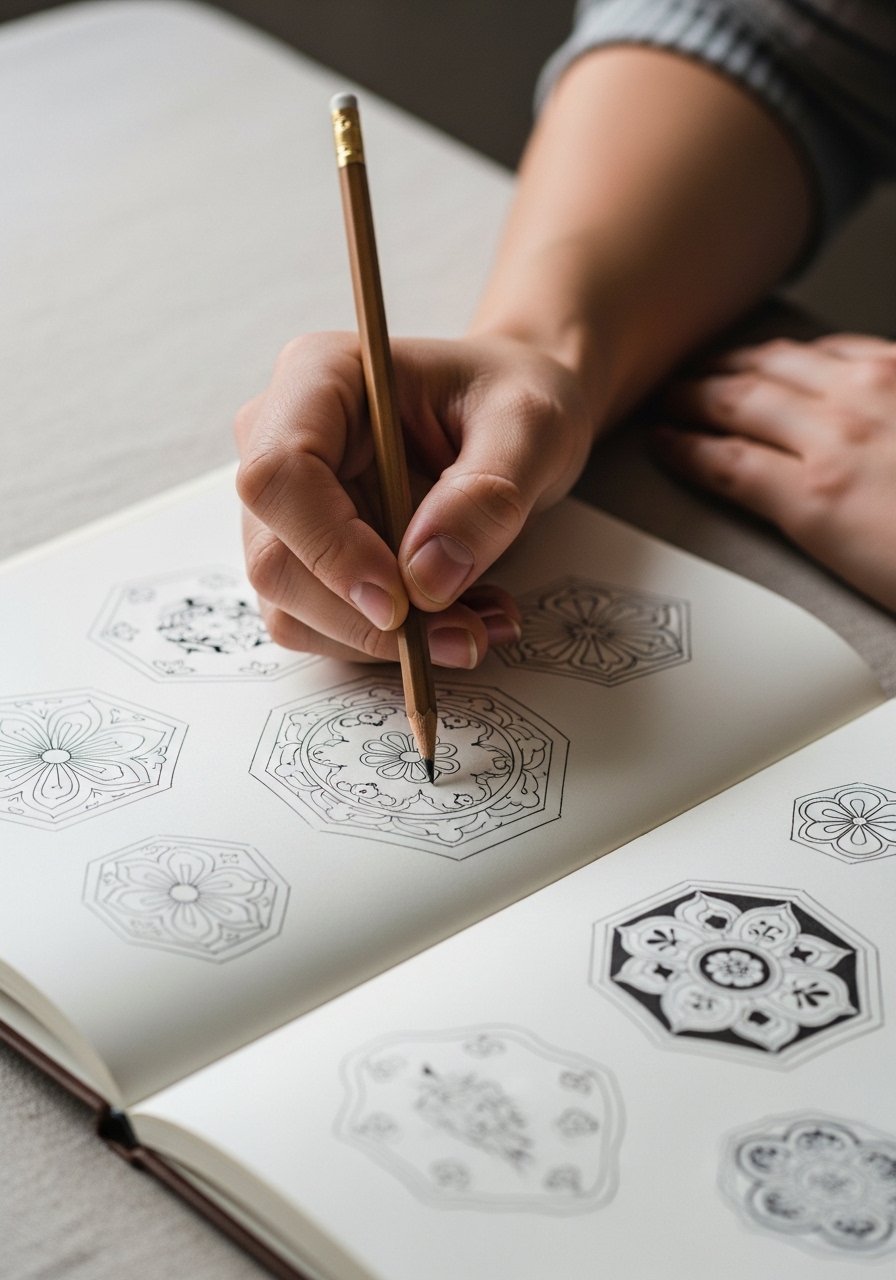
Finding an artist who understands Japanese iconography and composition is crucial. During the consult, reference era, line weight, and desired color palette rather than micromanage details.
Tell your artist:
- Which motifs and meanings you want emphasized.
- Your preferred scale and whether you want bold Irezumi saturation or a modern fine line take.
- If you tested placement, show the stencil photos.
Bring tools like a single-use prep razor and your aftercare plan. A skilled artist will advise on shading, flow, and whether a touch-up session should be booked at 3–6 months.
Aftercare routine, healing stages, and long-term color care (aftercare routine, healed results, touch-up)
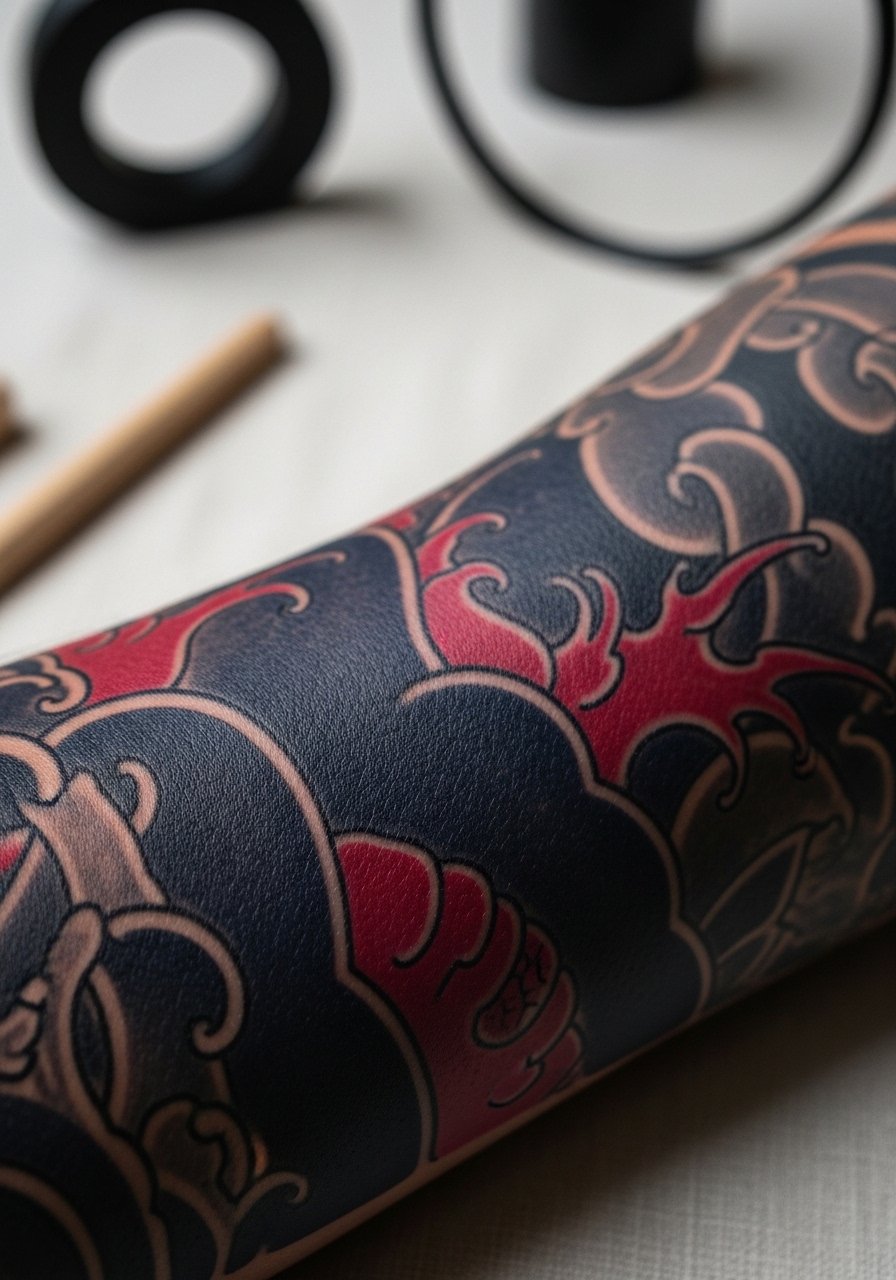
Healing is as important as design. Expect these stages: immediate plasma and light swelling; days 3–7 flaky peeling; 2–4 weeks surface healing; color settling by 3 months. Avoid over-moisturizing or picking scabs.
Practical routine:
- First wash: gentle, lukewarm water with a fragrance-free soap like unscented antibacterial soap after 4–6 hours if bandage removed.
- Keep covered for 3–5 days with a second-skin like Saniderm if your artist recommends it.
- Apply a thin layer of unscented tattoo aftercare lotion twice daily during peeling.
- Use Hustle Butter Deluxe sparingly for dry patches after the first week.
- For long-term care, daily sunscreen with a mineral SPF 50 stick and occasional vitamin E oil will keep colors vivid and reduce fading.
Warnings:
- Don’t pick at peeling skin.
- If you see excessive redness, pus, or fever, contact your artist or a clinician.
You’ll likely need a small touch-up at 3–6 months once the skin fully settles; budget that into the plan.
Honestly, knowing how to design a Japanese traditional tattoo gives you a roadmap from idea to healed result. Pack your aftercare kit the night before—Saniderm, gentle soap, and a quality lotion—and book that consult. Pin this guide before your appointment and tell me: which motif are you leaning toward?